
When you hear the term “full grain leather”, think of it as the crème de la crème of leather. It’s the strongest, most durable, and most character rich type of leather you can buy. But what is full grain leather, really, and why do experts and artisans swear by it?
This guide breaks down everything you need to know. We’ll explore where it comes from, what makes it so tough, and how it gets better with age. By the end, you’ll understand why it’s the gold standard for quality goods, from rugged boots to premium phone accessories.
The Definition: So, What is Full Grain Leather, Exactly?
At its core, full grain leather is the highest quality grade of leather made from the top layer of an animal’s hide. The most important feature is that the natural grain surface is left completely intact.
Unlike other leather grades, it is not sanded, buffed, or corrected in any way. This means the leather preserves the hide’s original texture, pores, and even minor natural imperfections like scars or wrinkles. Because this top layer has the tightest and most dense fiber structure, leaving it untouched makes full grain leather exceptionally strong and resilient. It’s the whole, unadulterated surface of the hide, which is why it’s considered the most authentic and durable leather available.
What Makes Full Grain Leather So Strong and Durable?
The incredible strength of full grain leather comes directly from its dense, interwoven fibers. The grain, or the outermost layer of the hide just below the hair, contains the strongest collagen fibers in the entire hide. By preserving this layer completely, the leather retains all of its natural, built in reinforcement.
- Fact: Studies show that full grain leather has a high tensile strength, often ≥ 10 N/mm² (per EN ISO 3376), which is comparable to some hard rubbers and plastics. This allows it to withstand significant pulling and stress without tearing.
This natural strength leads to unmatched durability. While lesser leathers might crack or peel over years of use, full grain leather wears in, not out. With basic care, products made from it can last for decades, often becoming heirloom pieces passed down through generations. A quality full grain leather wallet or bag can easily remain functional for 5–10 years, a testament to what is full grain leather’s remarkable longevity.
The Unique Look of Full Grain Leather
One of the most defining characteristics of full grain leather is its authentic and unique appearance. Since the surface isn’t sanded away, it proudly displays the natural story of the hide.
Natural Imperfections are a Sign of Quality
You might notice small markings like healed scars, insect bites, or subtle wrinkles on a full grain product. These are not flaws; they are signs of authenticity. These markings ensure that no two full grain leather items are exactly alike, giving each piece a one of a kind character that can’t be replicated. Cheaper, corrected leathers aim for a uniform, plastic like perfection, but in doing so, they lose all of this natural personality.
The Beauty of Patina
Perhaps the most cherished quality of full grain leather is its ability to develop a beautiful patina over time. Patina is the rich sheen and deep color that emerges on the surface through use, handling, and exposure to the elements.
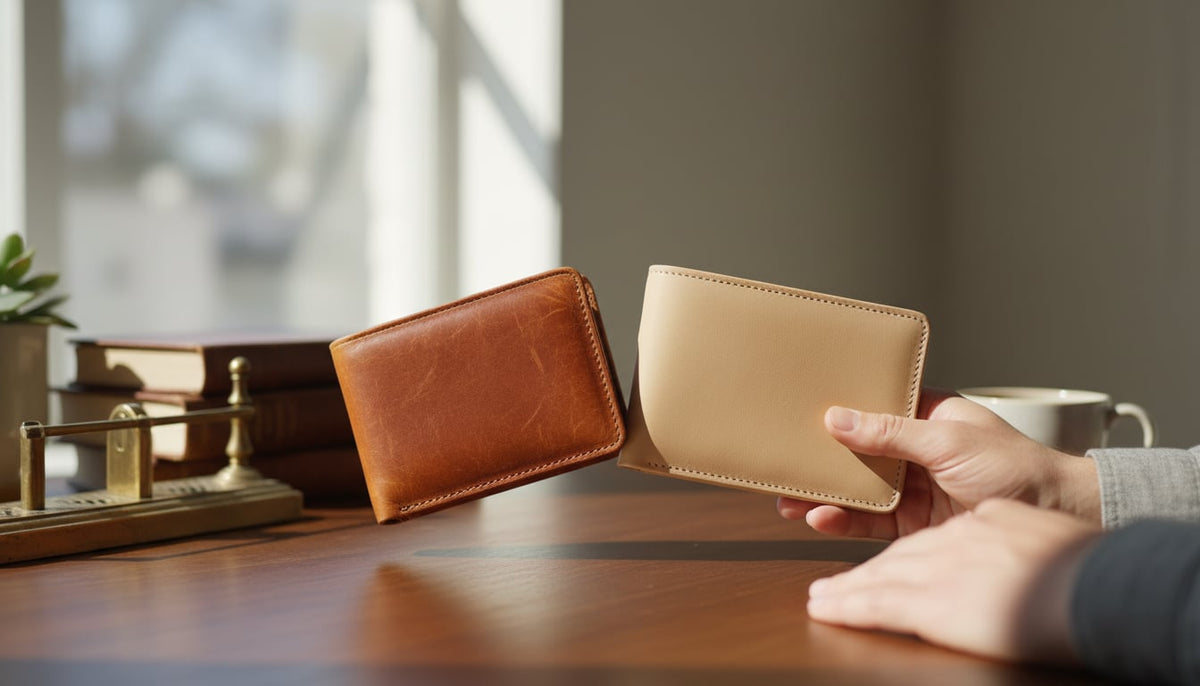
As you use a full grain leather item, the oils from your skin, sunlight, and daily friction gradually polish and darken the surface. A light tan wallet might slowly transform into a deep caramel, while a dark brown bag gains a soft, burnished glow in high touch areas. This aging process is a hallmark of high quality natural materials. It tells a story of your personal journey with the item, making it uniquely yours.
Performance and Practicality: How Does It Hold Up?
Beyond its strength and beauty, full grain leather has practical qualities that make it superior for everyday use.
Breathability and Comfort
Because the natural pore structure of the hide remains intact, full grain leather is breathable. This allows small amounts of moisture and air to pass through, which is a huge advantage for items like shoes, jackets, and furniture. A pair of full grain leather boots will be more comfortable over a long day because they help dissipate moisture, unlike synthetic materials that can feel clammy.
Water Resistance and Stains
Full grain leather is not waterproof, but it is naturally water resistant. The dense grain surface can repel small amounts of moisture, like a light rain shower, causing droplets to bead up and roll off. However, if water is left to sit, it will eventually soak in.
Because its surface isn’t sealed with a heavy plastic coating, it can also be more prone to staining from liquids like coffee or oil. The key is to wipe up spills quickly. Over time, many minor water spots or scuffs will blend into the developing patina, adding to the item’s character. For day‑to‑day care and waterproofing questions, see our Leather Care FAQs.
Why is Full Grain Leather Worth the Investment?
You may have noticed that products labeled “full grain leather” often come with a higher price tag. This cost is a direct reflection of its superior quality and the craftsmanship required to produce it.
Tanneries must start with the best quality hides, since they can’t sand away major blemishes. This makes the raw material scarcer and more expensive. Additionally, full grain leather is often thicker and more challenging to work with, requiring more skill and time from the artisan. While the initial investment is higher, it pays off in the long run. A single full grain leather item can easily outlast several cheaper alternatives, making it a more sustainable and valuable choice over time.
Common Uses for the Best Leather You Can Buy
Thanks to its blend of durability and elegance, full grain leather is the material of choice for high quality goods designed to last. Common applications include:
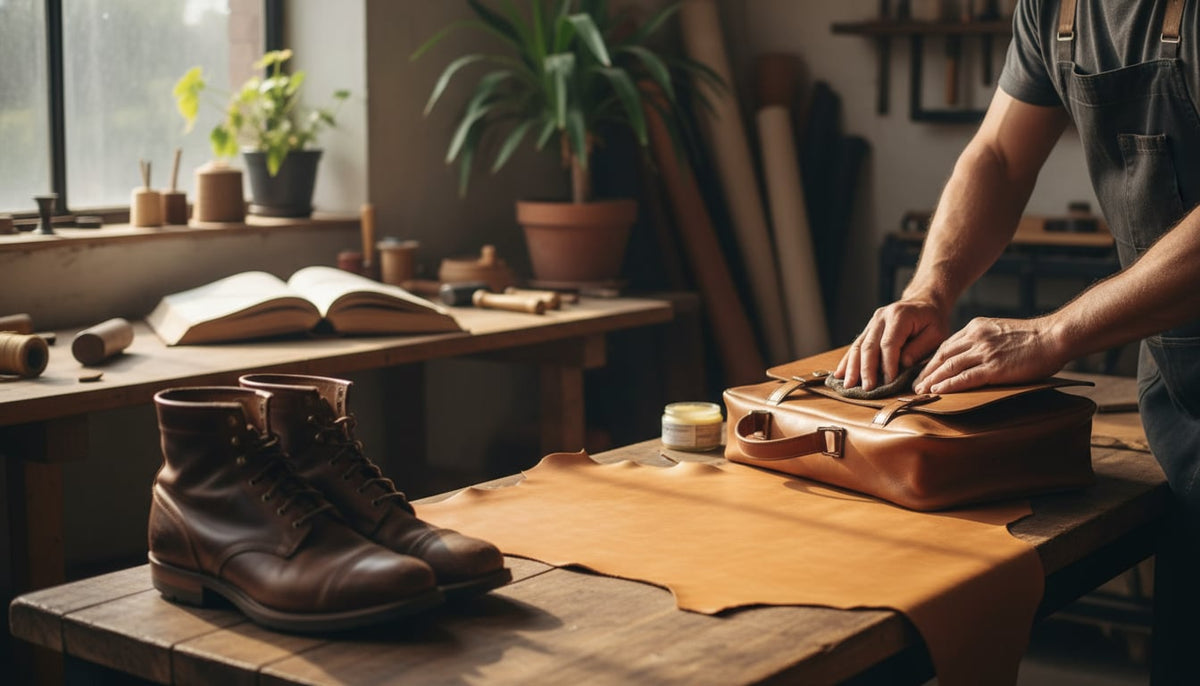
- Footwear: Premium work boots, hiking boots, and dress shoes use full grain leather for its toughness and ability to mold to the foot.
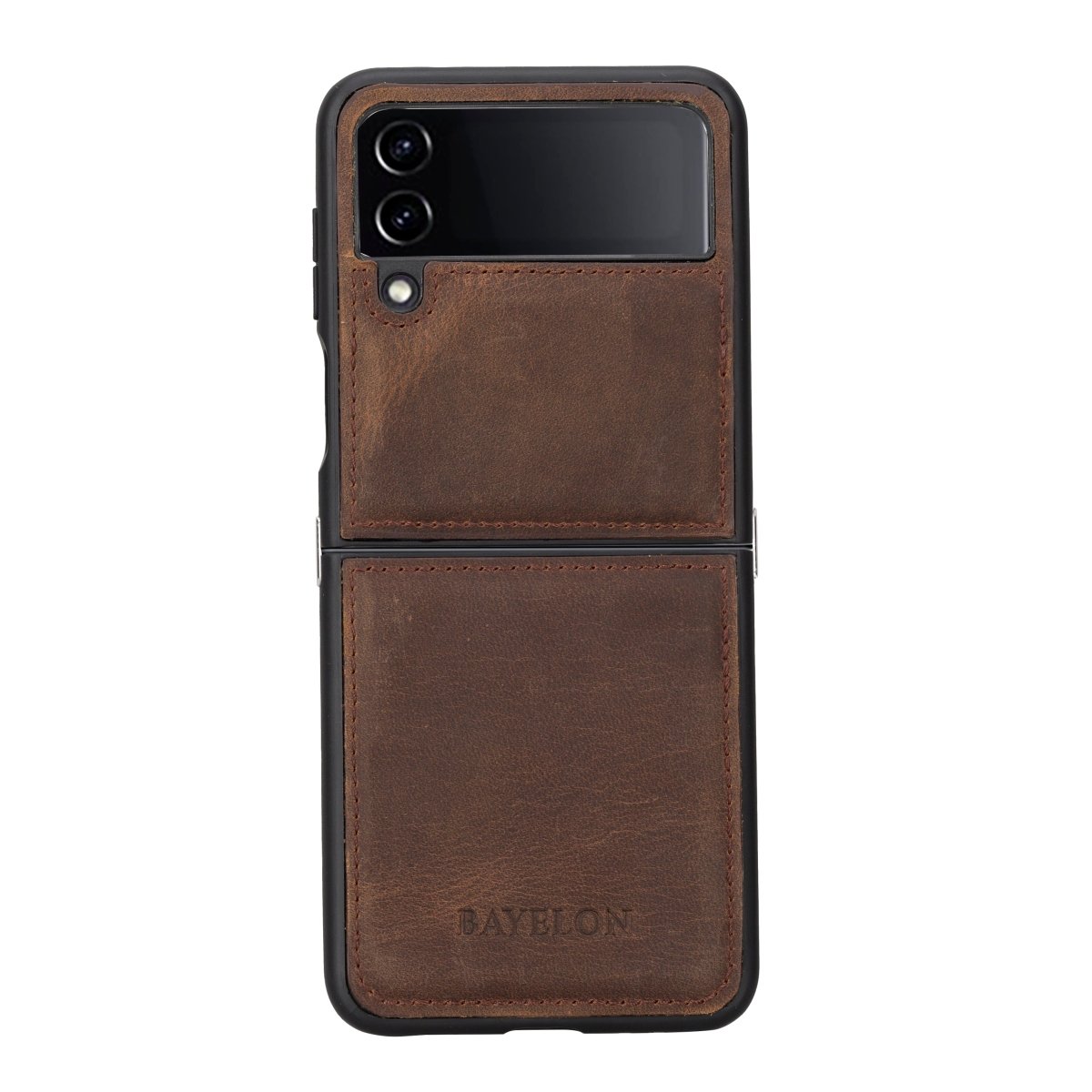
- Bags and Accessories: Briefcases, backpacks, wallets, and belts made from full grain leather can withstand decades of daily use. This is why brands like Bayelon exclusively use 100% full grain leather for their durable phone cases and watch bands, ensuring they hold up and develop a personal patina.
- Furniture: High end sofas and armchairs are often upholstered in full grain leather because it resists sagging and becomes more comfortable with age.
- Work Gear: Its strength makes it perfect for tool belts, saddles, and holsters that need to endure rough conditions without failing.
How to Spot the Real Deal: Identifying Full Grain Leather
With so many labels out there, how can you be sure you’re getting authentic full grain leather? Here are a few tell tale signs:
- Look for an Irregular Grain: The surface should have a natural, non uniform texture. You might see tiny pores or subtle markings. If it looks too perfect or plastic like, it’s likely a corrected grain.
- Feel the Texture: It should feel supple yet substantial. The back side, if visible, will often have a suede like feel.
- Check the Label: Reputable brands will proudly state “Full Grain Leather.” Be wary of vague terms like “Genuine Leather,” which usually signifies a lower grade.
- Try the Water Test: Place a single drop of water on an inconspicuous spot. On most full grain leather, the water will sit for a moment before slowly being absorbed, leaving a temporarily darker spot. On coated leathers, the water will simply roll off.
Full Grain vs. Top Grain Leather: A Common Mix Up
It’s easy to confuse full grain and top grain leather, but there’s a crucial difference. While both come from the top layer of the hide, top grain leather has had its outermost surface sanded or buffed to remove imperfections.
Appearance
Full grain leather showcases natural character, while top grain leather has a more uniform and flawless finish. The trade off is that top grain lacks the unique markings and generally won’t develop a rich patina like full grain does.
Durability
Full grain is the undisputed winner in durability. Sanding away the top surface of the grain removes the strongest fibers, making top grain leather slightly less resistant to wear and tear over the long term.
Cost
Top grain leather is typically less expensive than full grain. The correction process allows tanneries to use hides with more surface flaws, making the raw material more widely available.
In short, top grain is still a good quality leather, but full grain is the superior, uncompromised version that offers maximum strength and character.
How to Care for Your Full Grain Leather Goods
Caring for full grain leather is simple and ensures your items last a lifetime. The key is to keep it clean and moisturized.
- Condition Periodically: To prevent the leather from drying out, apply a quality leather conditioner every 3 to 6 months. Use a soft cloth to rub a small amount in, let it absorb, and buff off any excess.
- Clean Gently: For regular cleaning, wipe with a dry cloth. For dirt, use a cloth lightly dampened with water and a tiny bit of mild soap. Always let it air dry away from direct heat.
- Embrace the Aging Process: Don’t panic over every minor scuff or water spot. Many of these small marks will eventually blend into the patina, contributing to the beauty of your well loved item.
By following these simple steps, your leather goods will not only survive but thrive, becoming more beautiful and personal for years to come. Investing in quality materials means your favorite accessories, like a Bayelon iPhone 17 Pro Max detachable wallet case, can truly stand the test of time.
Frequently Asked Questions About Full Grain Leather
What is full grain leather best for?
Full grain leather is best for any product that requires high durability and will see frequent use. This includes footwear, belts, bags, wallets, high quality furniture, and protective accessories like Samsung Galaxy S25 leather phone cases.
Is full grain leather real leather?
Yes, it is the most authentic type of real leather. It is the top layer of the animal hide with the natural grain completely preserved, making it the highest quality grade available.
Does full grain leather scratch easily?
Full grain leather is very durable, but it can scratch. However, unlike on coated leathers where a scratch can reveal a different colored layer underneath, minor scratches on full grain can often be buffed out with your fingers or a leather conditioner. Many small scratches eventually become part of the leather’s patina.
How is full grain leather different from genuine leather?
The term “genuine leather” is often a marketing term for one of the lowest grades of real leather. It is typically made from the lower layers of the hide and is heavily processed, painted, and embossed. Full grain leather is far superior in strength, durability, and appearance. Learning what is full grain leather helps you avoid these lower quality alternatives.


Leave a comment
This site is protected by hCaptcha and the hCaptcha Privacy Policy and Terms of Service apply.