

TL;DR
The best wallet cardholder depends on what you carry and how you carry it. For leather that ages beautifully, the Bayelon Full-Grain Leather Card Holder offers the best value at mid-market pricing. The Ridge Wallet wins on industrial durability. The Herschel Charlie is the budget pick. And if you want to merge your phone and wallet into one system, a detachable wallet phone case is the category nobody else is covering. This guide breaks down 9 picks across leather, metal, fabric, and phone-integrated options.
At-a-Glance Comparison Table
| Wallet | Price Range | Material | Card Capacity | RFID | Best For |
|---|---|---|---|---|---|
| Bayelon Leather Card Holder | Mid-market | Full-grain leather | Varies by model | Available | Patina lovers, value leather |
| Bellroy Card Sleeve | ~$45–50 | Premium leather (LWG) | 2–8 | Some models | Ultra-minimalists (≤4 cards) |
| Ekster Cardholder Pro | ~$99–129 | Recycled aluminum | Up to 14 | Yes | Tech-forward, smart features |
| Ridge Wallet | ~$95–150 | Aluminum/CF/Titanium | 1–12 | Yes | Industrial durability |
| Shinola Card Case | ~$95–150 | Vachetta leather | 5–6 | Yes | USA craftsmanship |
| Pioneer Carry Molecule | ~$45–65 | 10XD technical fabric | 4–6 | No | Non-leather durability |
| Herschel Charlie | ~$25–35 | Recycled fabric | 3–4 | Yes | Budget entry |
| Saddleback Leather | ~$60–80 | Full-grain leather | 4–6 | Most models | Buy-it-for-life purists |
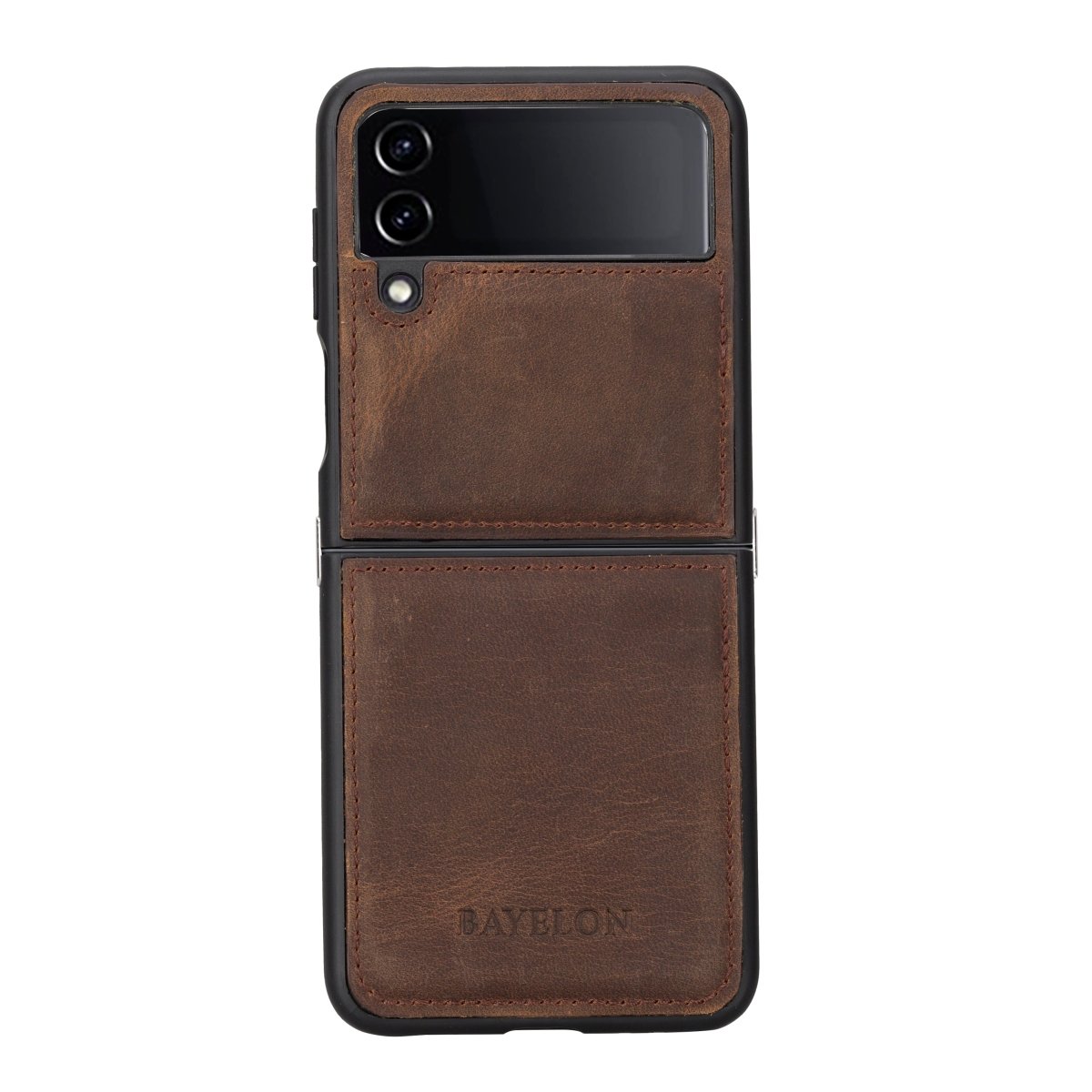
| Bayelon Detachable Wallet Case | Mid-market | Full-grain leather | 2–3+ | Available | Phone + wallet combo |
Browse Bayelon’s full cardholder and wallet collection →
Why Cardholders Are Replacing Bifolds in 2026
The shift toward slim carry isn’t a fashion trend. It’s a practical response to how people actually pay for things now.
Weekly in-store mobile wallet usage climbed to 31% of consumers by mid-2025, and estimated mobile wallet users in the U.S. are projected to hit 122.6 million by 2026. When Apple Pay and Google Wallet handle half your transactions, carrying eight credit cards in a leather bifold stops making sense.
Modern cardholders exist for people who want something slimmer, faster, and easier to carry than a bulky traditional wallet. They’re designed for front-pocket comfort with cards you actually use, not a collection of loyalty cards from 2019.
The Two-Card Rule
Here’s a simple decision framework that no other best wallet cardholder list seems to offer: if your everyday carry exceeds two cards plus your phone, a separate wallet almost always serves you better than a phone-integrated solution. If two cards plus phone covers you, a MagSafe wallet or detachable phone case might be all you need.
This rule helps you decide not just which cardholder to buy, but whether you need a standalone cardholder or a phone-wallet hybrid. More on that distinction later.
How We Chose These Picks
Every cardholder on this list was evaluated across five dimensions:
- Material quality and how it ages over years of daily use
- Real user feedback from communities like Reddit’s r/BuyItForLife, Slickdeals, and Gear Patrol testers
- Card capacity relative to how slim the wallet actually stays
- Price-to-value ratio, not just sticker price
- Honest tradeoffs, because no wallet is perfect for everyone
Practitioners on Reddit consistently report that full-grain leather is the only real “buy it for life” material for wallets. Etsy-sourced handcrafted leather wallets get praise for 10+ year lifespans. Budget aluminum RFID cardholders selling at $5–15 move fast, but Slickdeals users report they stretch or loosen within about three years. One user put it simply: “Spot on everyone saying it lasts about 3 years.”
That real-world durability data shaped this list heavily. If you’re curious about what separates leather grades in practice, the differences show up most clearly over time.
The 9 Best Wallet Cardholders in 2026
1. Bayelon Full-Grain Leather Card Holder
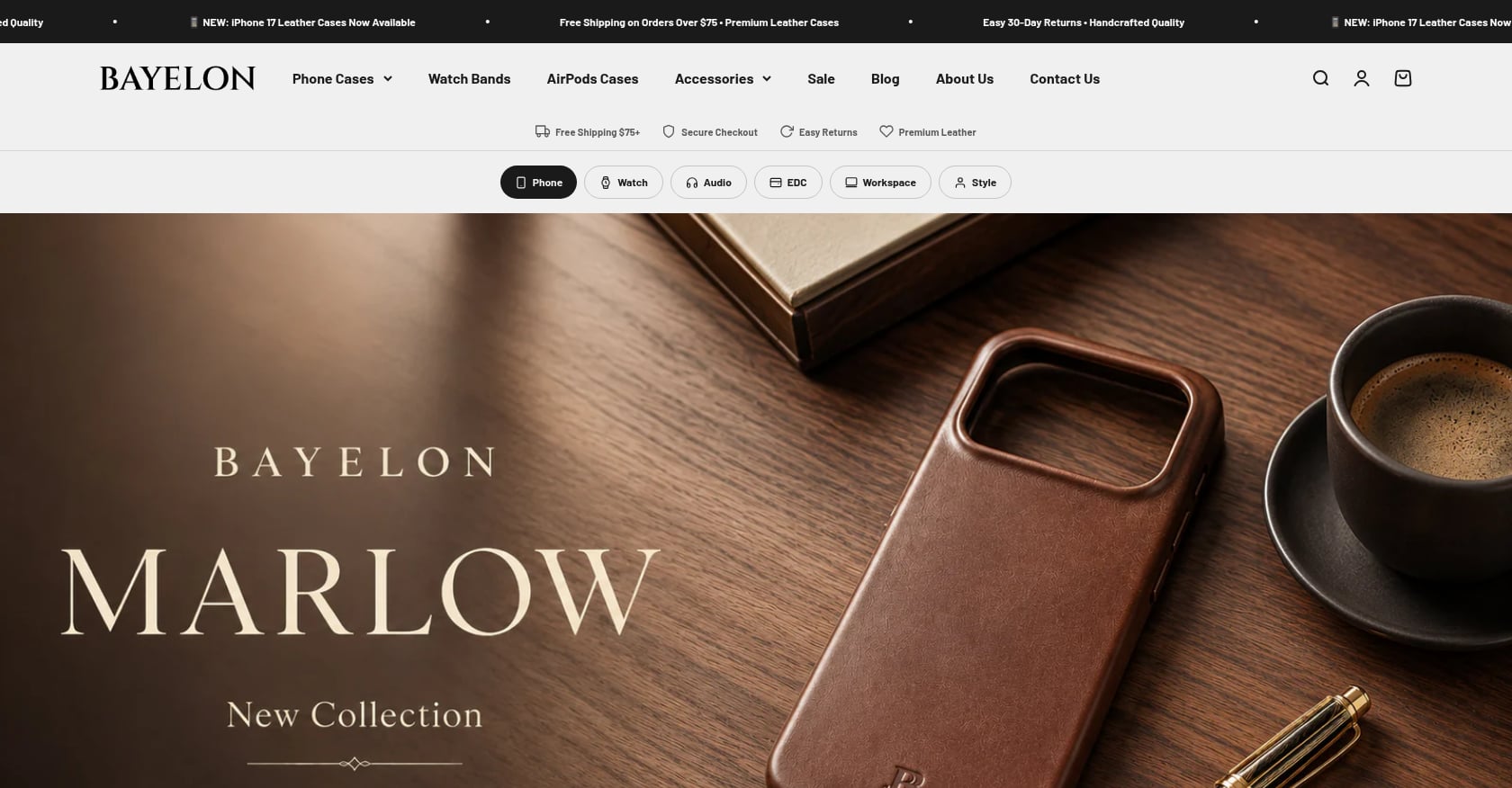
Best for: Leather enthusiasts who want handcrafted quality and visible patina at a mid-market price
Price: Mid-market | Material: Full-grain leather | RFID: Available | Colors: Rustic Tan, Dark Brown, Smoked/Rustic Black, Vintage Brown
Bayelon builds its cardholders from full-grain leather, which is the highest grade you can buy. Unlike top-grain or “genuine” leather (which are sanded and corrected), full-grain retains the entire surface of the hide, complete with natural grain patterns that develop patina over months of use.
Key features:
- Full-grain leather construction with visible patina development over time
- Multiple colorways ranging from lighter rustic tan to deep vintage brown
- 30-day returns with free U.S. shipping on exchanges
- 90-day manufacturer warranty against material and craft defects
Tradeoffs:
- Smaller brand profile compared to Bellroy or Ridge, so you won’t find thousands of YouTube reviews
- Limited third-party editorial coverage, though Etsy reviews average 4.5/5 across 1,000+ sales
- Like all natural leather, requires some basic care to age well
A Kyiv-based leatherworker who reviews wallet materials offered a perspective that applies directly here: “Not because leather is fancy. Because it’s the material that gets better the longer you own it.” That’s the core argument for a full-grain cardholder over metal or fabric alternatives. If you want to understand how leather patina actually develops, Bayelon covers the timeline in detail.
Shop Bayelon leather cardholders →
2. Bellroy Card Sleeve
Best for: Ultra-minimalists who carry four cards or fewer
Price: ~$45–50 | Material: Premium leather (LWG-certified) | Card Capacity: 2–8 | RFID: Some models
Bellroy has been perfecting slim wallets since 2010 from their Australian base, and they’ve become one of the most respected names in minimalist carry. The Card Sleeve is their most pared-down option: a simple leather envelope designed to hold as few as two cards with a pull tab for quick access.
Key features:
- Environmentally certified leather (Leather Working Group)
- Pull-tab access for back cards
- Extremely thin profile when carrying ≤4 cards
Tradeoffs:
- One long-term user reported that “the pull tab would get stuck at the bottom of the sleeve and force the cards to peek out”
- Once the leather stretches (which happens with daily use), cards have a tendency to fall out
- Limited capacity makes it impractical if you carry more than 4–5 cards regularly
The Bellroy is elegant when new, but the stretching issue is a recurring complaint across review forums. If your everyday carry stays at three cards and some cash, it works. Beyond that, you’ll want something with more structure.
3. Ekster Cardholder Pro

Best for: Tech-forward users who want quick-eject card access and phone integration
Price: ~$99–129 | Material: Recycled aluminum | Card Capacity: Up to 14 (6–7 is the sweet spot) | RFID: Yes
The Ekster Cardholder Pro uses a spring-loaded mechanism that fans your cards out with a thumb push. It holds up to 14 cards, but loading more than 7 starts defeating the purpose of slim carry. At 0.2 inches wide when loaded, it’s among the thinnest options available.
Key features:
- One-push card fan mechanism for fast access
- Recycled aluminum body, competitively positioned at $99
- MagSafe version snaps to the back of your phone
- Won the iF Design Award in 2026
Tradeoffs:
- Metal body means no leather aging or patina development
- Elastic and mechanical components can loosen with heavy daily use over 2–3 years
- Premium pricing for what is essentially a metal card tray
HiConsumption noted the build quality justifies the price, and the MagSafe integration is genuinely useful. But the mechanical nature of the card fan means more moving parts that can wear.
4. Ridge Wallet
Best for: Durability-first buyers who want industrial materials and don’t care about patina
Price: ~$95–150 | Material: 6061-T6 aluminum, Carbon Fiber 3K, or titanium | Card Capacity: 1–12 | RFID: Yes (standard)
The Ridge Wallet popularized the modern minimalist wallet category. Built from aerospace-grade aluminum (at the $95 entry point), carbon fiber, or titanium, it’s essentially indestructible. RFID blocking is standard across all models.
Key features:
- Aircraft-grade materials with lifetime warranty
- Holds 1–12 cards with elastic or cash strap
- Extremely rigid, consistent profile regardless of card count
- Wide range of colors and materials
Tradeoffs:
- Cold, industrial feel in hand and pocket
- No patina or character development over time, as one leather craftsman pointed out: “All fine. All cold metal. None of them get better with age”
- Limited cash storage compared to leather alternatives
- Many users eventually transition from metal wallets to leather options once the novelty wears off
The Ridge is the safe recommendation, and its marketing is everywhere. It’s a solid product. But if you value a wallet that develops personality with use, metal isn’t going to deliver that.
5. Shinola Slim Bifold / Five Pocket Card Case
Best for: Buyers who prioritize USA craftsmanship and classic aesthetics
Price: ~$95–150 | Material: Vachetta leather (lightly treated Italian leather) | Card Capacity: 5–6 | RFID: Yes
Forbes chose the Shinola Slim Bifold as its top overall pick, and the reasoning is straightforward: it’s made in the USA, uses beautiful vachetta leather, and feels like a proper luxury item.
Key features:
- Six card pockets lined with faille fabric
- Leather-lined cash pocket
- Built-in RFID protection
- Detroit-assembled with Italian leather
Tradeoffs:
- Premium pricing for what is ultimately a simple card case
- Vachetta leather can stain more easily than treated full-grain
- Limited to a conservative aesthetic that won’t appeal to everyone
If “Made in America” matters to your purchasing decisions and you want something that looks right in a boardroom, the Shinola delivers. Just know you’re paying partly for the brand story.
6. Pioneer Carry Molecule Cardholder
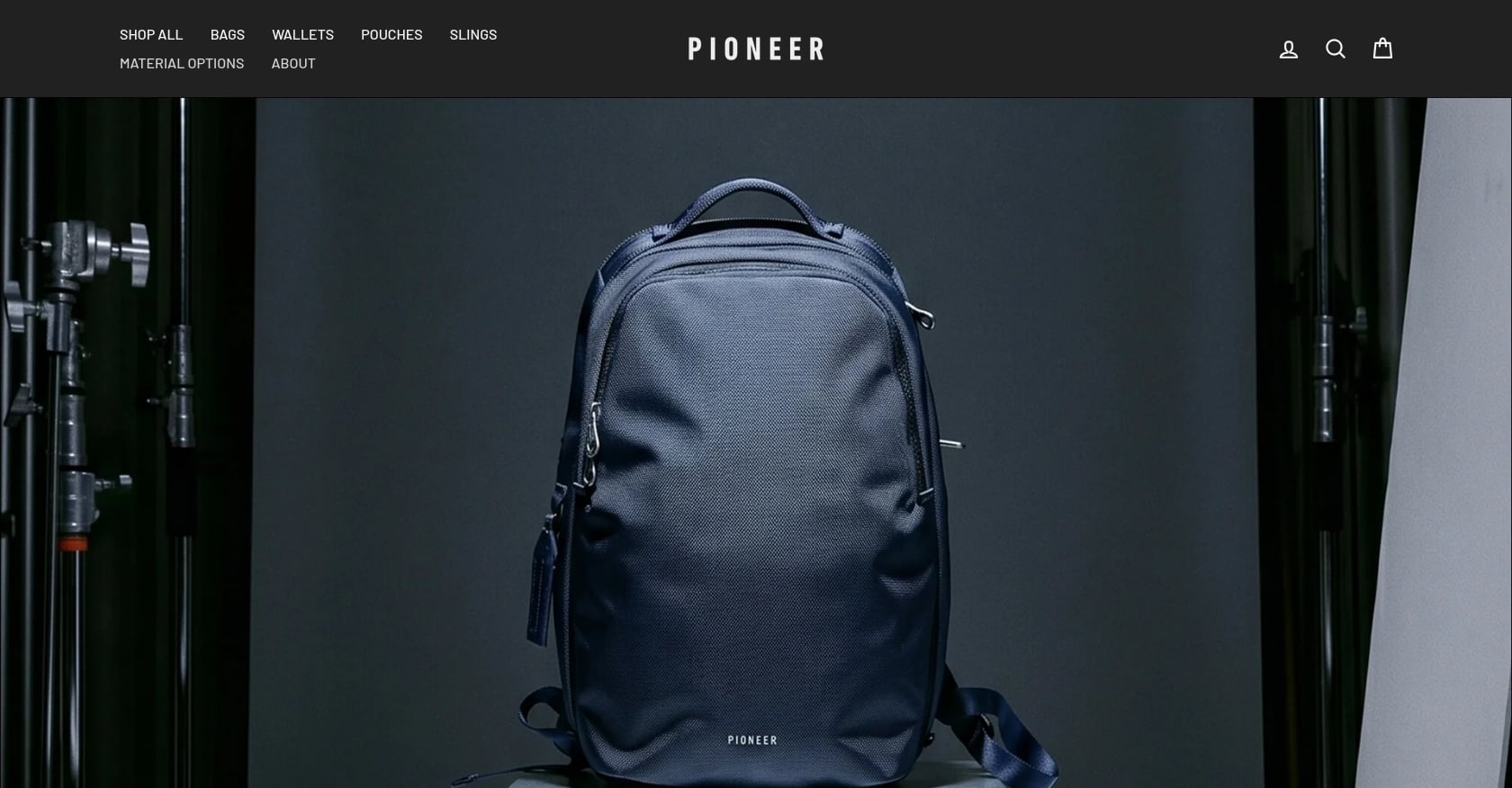
Best for: Non-leather users who need extreme, no-fuss durability
Price: ~$45–65 | Material: Proprietary 10XD technical fabric | Card Capacity: 4–6 | RFID: No
Gear Patrol testers call the Pioneer Carry Molecule “small but mighty,” and users report daily use for over seven years without degradation. The proprietary 10XD fabric is essentially tear-proof and water-resistant.
Key features:
- Virtually indestructible technical fabric
- Ultra-lightweight
- Minimalist design with no excess material
- Strong track record for multi-year daily carry
Tradeoffs:
- No RFID blocking
- Fabric aesthetic won’t satisfy leather or metal fans
- Limited capacity (4–6 cards max)
One Gear Patrol tester described the ideal cardholder experience as “the wallet I carry so I never have to think about my wallet.” The Molecule hits that mark. It disappears in your pocket and doesn’t demand attention or care.
7. Herschel Charlie
Best for: Budget-conscious buyers or first-time minimalist wallet users
Price: ~$25–35 | Material: Recycled canvas-like fabric | Card Capacity: 3–4 | RFID: Yes
The Herschel Charlie proves that a solid cardholder doesn’t need to cost $100. Made from recycled fabric with RFID blocking built in, it holds 3–4 cards and fits in any pocket.
Key features:
- RFID-blocking at the lowest price point on this list
- Recycled fabric construction
- Classic Herschel design, recognizable brand
- Available in dozens of colors and patterns
Tradeoffs:
- Won’t last as long as leather or metal (expect 1–2 years of heavy daily use)
- Very limited capacity
- Fabric can show wear and staining faster than leather
This is the cardholder you buy to test whether minimalist carry works for you before investing in a premium option. At $25, there’s no risk.
8. Saddleback Leather Front Pocket Wallet
Best for: Buy-it-for-life leather purists who want maximum longevity
Price: ~$60–80 | Material: Full-grain leather | Card Capacity: 4–6 | RFID: Most models
Saddleback has built a reputation as the gold standard for leather durability. They design and build all their wallets at their own factory, and their guidance is blunt: “Make sure to get one made from full grain.” Every piece of leather shows natural variation in strength, stretch, thickness, and grain pattern, and Saddleback leans into that.
Key features:
- Full-grain leather with exceptional break-in period
- Factory-direct production and quality control
- Strong RFID blocking in most models
- 100-year warranty (their famous tagline)
Tradeoffs:
- Aesthetic is rugged, not refined, which won’t suit everyone
- Break-in period can feel stiff for the first few weeks
- Color options are more limited than competitors
If you want to know the real difference between full-grain and top-grain leather, it shows up most dramatically after years of use. Full-grain develops patina. Top-grain just wears down.
9. Bayelon 2-in-1 Detachable Wallet Phone Case
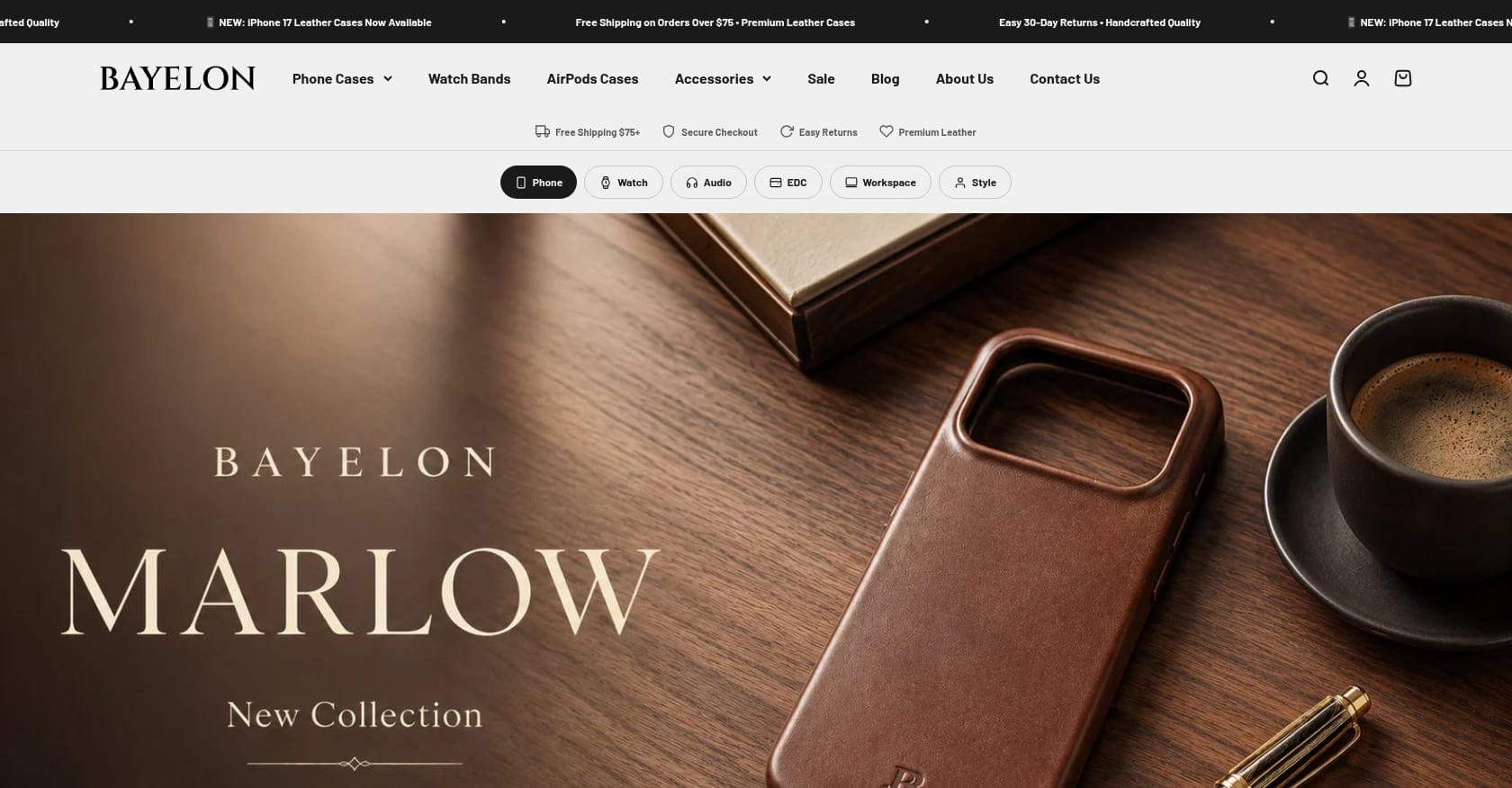
Best for: People who want to consolidate phone and wallet into one system without sacrificing wireless charging
Price: Mid-market | Material: Full-grain leather | Card Capacity: 2–3+ | RFID: Available | Compatibility: MagSafe/Qi2
This is the category that every other best wallet cardholder listicle ignores. Phone wallet cases have evolved past the bulky folios of five years ago. Bayelon’s detachable design separates into a slim back cover plus a standalone wallet section, so you get consolidation when you want it and independence when charging or at the gym.
Key features:
- Full-grain leather construction with the same patina development as the standalone cardholder
- MagSafe and Qi2 compatible, so the wallet lifts off before you set the phone on a charging pad
- Integrated kickstand for hands-free viewing
- Crossbody options available on select models
- 30-day returns with free U.S. exchanges, 90-day manufacturer warranty
Tradeoffs:
- Carries fewer cards (2–3) than a standalone cardholder
- Losing the phone means losing the cards too (though the detachable design mitigates this)
- Requires an iPhone or compatible device, which limits the audience
One Slickdeals user who has carried a MagSafe phone wallet daily for two years reported: “It is a great little wallet.” The key question is whether your everyday carry fits within that 2–3 card limit. If it does, eliminating a separate wallet entirely is genuinely freeing.
For a deeper look at whether this approach fits your routine, read more about detachable wallet cases for everyday carry.
Full-Grain Leather vs. Metal vs. Fabric: Which Material Is Best?
Material choice is the single most important decision when picking a wallet cardholder. Everything else (capacity, RFID, brand) is secondary.
Full-Grain Leather
Full-grain leather is the top tier. It retains the entire surface of the animal hide, including all the natural markings and grain. Von Baer, a leather authority, recommends full-grain vegetable-tanned leather specifically because it “ages beautifully with a patina and is very durable.”
Patina is the gradual darkening and softening that happens as oils from your hands, sunlight, and daily friction interact with the leather surface. Over 3–6 months, a brand-new cardholder develops a unique color depth that’s impossible to replicate artificially. After a year, no two wallets look alike. This is why Reddit’s r/BuyItForLife community consistently recommends full-grain leather over every other material for wallets.
The confusion around leather grades is real. “Genuine leather” sounds premium but is actually the lowest usable grade, often sanded, painted, and corrected to hide imperfections. Top-grain is the second-best, with the very top layer sanded for uniformity. Only full-grain keeps everything intact. For a complete breakdown, this guide on leather grades explains the differences clearly.
Metal (Aluminum, Titanium, Carbon Fiber)
Metal cardholders like the Ridge are rigid, durable, and naturally RFID-blocking. They won’t stretch, sag, or absorb moisture. But as one leather craftsman from Kyiv put it bluntly: “All fine. All cold metal. None of them get better with age.”
Metal is the right choice if you prioritize consistency and don’t care about your wallet developing character. It’s the wrong choice if tactile warmth and visual aging matter to you.
Technical Fabric
Fabric cardholders like the Pioneer Carry Molecule or Herschel Charlie are the lightest option. High-end technical fabrics can be nearly indestructible, while budget fabrics wear visibly within a year or two. They don’t age gracefully the way leather does, and they don’t have the rigid protection of metal. But they disappear in your pocket like nothing else.
The Phone Wallet Question: Should Your Cardholder Live on Your Phone?
This is the section that sets this guide apart from every other best wallet cardholder article on the internet. Most listicles pretend phone wallet cases don’t exist. They do, and for the right person, they’re the better answer.
The Case for Standalone Cardholders
A standalone cardholder holds 5–10 cards without bulging, gives you a dedicated object to grab when leaving the house, and keeps your phone thin. If you lose your phone, you still have your cards, and vice versa. That separation is valuable.
The Case for Phone-Integrated Wallets
If your everyday carry is two cards, some cash, and your phone, strapping a MagSafe wallet to your phone means one less thing in your pockets. A detachable leather MagSafe wallet lifts off before you set the phone on a charging pad, which solves the wireless charging problem that plagued older folio cases. Read more about Qi2 wireless charging compatibility if you’re considering this route.
The Hybrid Solution
This is where detachable 2-in-1 wallet cases shine. You get consolidation during daily errands and separation when you need it. Going to the gym? Pop the wallet off. Heading to dinner with just your phone and a card? Snap them together. Need a crossbody option for travel? Crossbody leather phone cases add hands-free carry without a separate bag.
The strongest criticism of phone wallet cases is real: losing the phone loses the cards too. But a detachable design mitigates that risk significantly. You can keep the wallet section in a pocket or bag independently.
See Bayelon’s detachable wallet phone cases →
Buyer’s Guide: What to Look for in a Card Holder Wallet
Card Capacity Sweet Spot
Most people do well with 5–8 card slots. Fewer than 5 and you’ll constantly be rotating cards in and out. More than 10 and you’ve recreated the bulky bifold problem you were trying to escape. A good cardholder should hold between 5 and 10 cards while keeping the profile slim enough for a front pocket.
Card Access Mechanism
Some wallets use a spring-loaded mechanism that fans cards out with a thumb push. Others, like the Ridge, require you to manually slide cards upward. Traditional leather card cases skip the mechanism altogether in favor of simplicity. There’s no objectively better approach, just personal preference. Mechanical systems are faster but add failure points. Simple slots are slower but never break.
RFID Blocking: Real Risk or Marketing?
Nearly every cardholder on this list includes RFID blocking, and nearly every article about cardholders mentions it as a major feature. The documented theft rate in everyday life is low enough that most card issuers handle reversals without a fight. RFID blocking is nice to have, not a primary buying criterion. Don’t pay a premium specifically for it.
Warranty and Return Policies
This matters more than most people realize. Leather wallets can feel different in hand than they look in photos. Look for brands offering at least a 30-day return window. Bayelon, for example, offers free U.S. returns and exchanges within 30 days, plus a 90-day manufacturer warranty against defects. Many artisan sellers on Etsy don’t match that.
A Note for Women
Almost every “best wallet cardholder” article defaults to masculine framing. Women’s cardholder needs are different: crossbody options matter, size relative to smaller pockets matters, and aesthetic range matters. If you’re shopping for a cardholder that doubles as a crossbody, phone-integrated leather wallet cases with a shoulder strap are worth considering alongside traditional standalone cardholders.
FAQ
What is the best wallet cardholder?
It depends on your material preference and carry style. For full-grain leather with patina development, the Bayelon Leather Card Holder offers the best value at mid-market pricing. For industrial durability, the Ridge Wallet is hard to beat. For budget entry, the Herschel Charlie at ~$25 is the lowest-risk way to try minimalist carry.
Is a cardholder better than a wallet?
For most people in 2026, yes. Digital payments have reduced the number of physical cards you need to carry daily. A cardholder fits in a front pocket, eliminates back-pocket bulk, and forces you to carry only what you actually use. The main exception is if you regularly carry large amounts of cash, which most cardholders don’t accommodate well.
Do I need RFID blocking in my cardholder?
It’s a nice bonus, not a necessity. The actual rate of RFID skimming theft in daily life is very low, and credit card companies reverse fraudulent charges readily. That said, most quality cardholders in 2026 include RFID blocking as a standard feature anyway, so you’re unlikely to need to pay extra for it.
How many cards should a cardholder hold?
Five to eight is the sweet spot for most people. That covers a primary credit card, a debit card, a driver’s license, an insurance card, and a couple of extras. Going above 10 cards defeats the purpose of slim carry.
Can a phone wallet case replace a standalone cardholder?
If your everyday carry fits within 2–3 cards, yes. MagSafe and Qi2 detachable wallet cases let you merge phone and wallet when convenient and separate them when needed. The Two-Card Rule is the simplest test: if you need more than two cards plus your phone on a typical day, keep the cardholder separate.
How long do wallet cardholders last?
It depends entirely on material. Full-grain leather cardholders routinely last 5–10+ years, developing patina that improves their appearance. Pioneer Carry’s technical fabric users report 7+ years of daily use. Budget fabric and elastic-based cardholders typically last about 3 years before stretching out, based on consistent reports from Slickdeals forum users.
What’s the difference between full-grain and genuine leather?
Full-grain is the highest grade, retaining the entire surface of the hide with all natural markings. It develops patina and gets better with age. “Genuine leather” is actually the lowest usable grade, heavily sanded and corrected to remove imperfections. Despite the name sounding premium, genuine leather is what you’ll find in $15 gas station wallets. If a cardholder doesn’t specify “full-grain,” assume it isn’t.
Are metal wallet cardholders worth it?
They’re worth it if you prioritize pure durability and consistency over aesthetics that evolve. Metal wallets like the Ridge won’t stretch, stain, or absorb moisture. But they also won’t develop character over time, they feel cold in the pocket, and many users eventually switch to leather once the novelty fades. Consider what you value more: a wallet that stays the same forever, or one that becomes uniquely yours.
Ready to find your cardholder? Browse Bayelon’s best-selling leather accessories to see which style fits your carry.


Leave a comment
This site is protected by hCaptcha and the hCaptcha Privacy Policy and Terms of Service apply.