
TL;DR
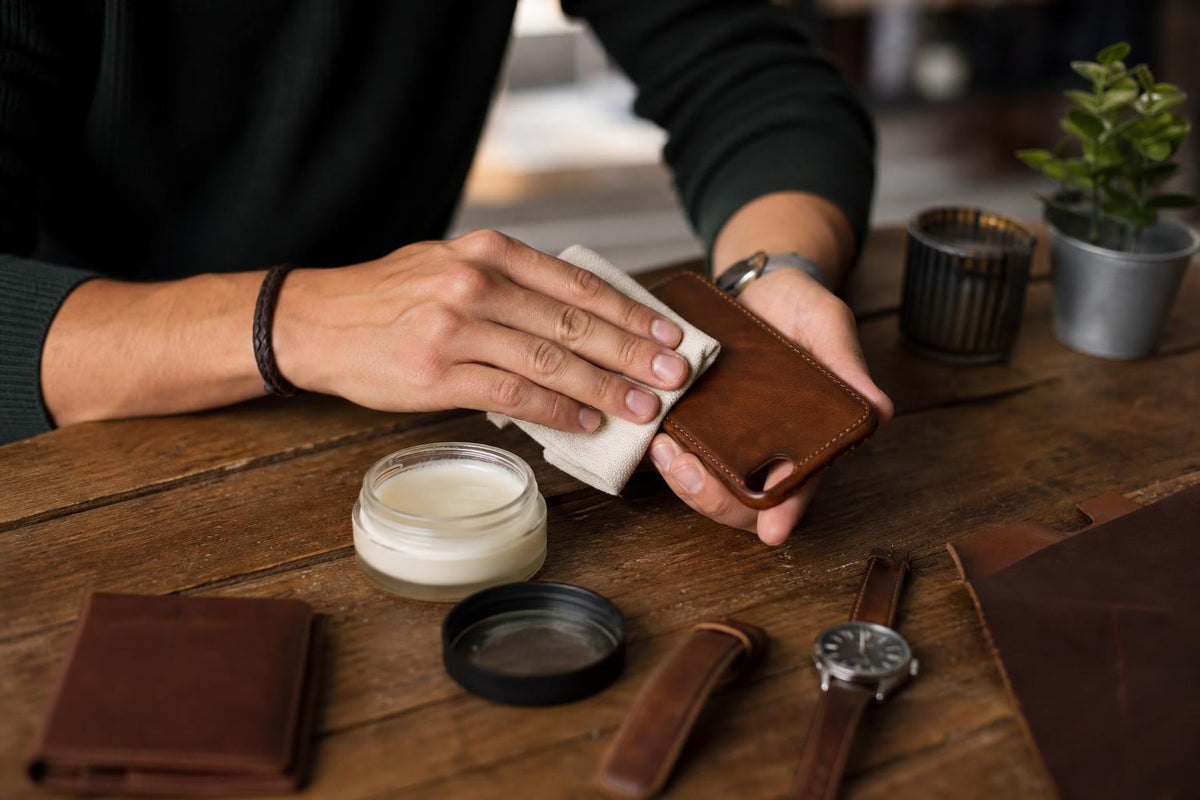
Stiff leather is a sign of quality, not a defect. The safest way to soften leather is with a dedicated leather conditioner applied in thin coats using circular motions. Avoid kitchen oils like olive oil and coconut oil, which go rancid and damage leather over time. For small accessories like phone cases and watch bands, daily use alone will break in the leather within one to three weeks.
What Does “Softening Leather” Actually Mean?
Softening leather is the process of restoring or introducing flexibility to a leather item that feels stiff, rigid, or uncomfortable. It involves replenishing the internal oils that keep leather fibers lubricated and mobile, or simply accelerating the natural break-in period through use and conditioning.
There are two distinct situations people mean when they search for how to soften leather:
- Breaking in new leather. The item just arrived and feels rigid. The fibers are tightly compressed from the tanning and manufacturing process and haven’t loosened yet.
- Restoring old leather. A piece has dried out from age, neglect, or harsh environmental conditions, and it needs its internal oils replenished.
The distinction matters because the treatment differs. New leather mostly needs time and use. Old leather needs active conditioning to replace what’s been lost.
Both situations trace back to a step in the tanning process called fatliquoring, where lubricants are worked into the hide to make it stronger and more flexible. When those lubricants are intact, leather stays supple. When they deplete or haven’t yet settled into the fiber structure, you get stiffness. Understanding this is the foundation for every softening method that actually works.
For a deeper look at how leather changes and improves over time, see this guide on how leather patina develops.
Why Leather Gets Stiff
New Leather: Compressed Fibers
New leather is stiff because it hasn’t been used yet. During tanning and finishing, the fibers are compressed into their final form. They need physical movement, body heat, and repeated flexing to loosen and settle. This is why new leather boots feel like cardboard and a broken-in pair feels like slippers.
The same applies to smaller accessories. A new leather phone case needs one to two weeks of daily handling before the leather stretches to the phone’s contour and feels comfortable in the hand.
Old Leather: Oil Depletion
The oils introduced during fatliquoring don’t last forever. They slowly evaporate, especially in dry environments. When the oil content drops too low, the fibers lose their ability to slide against each other. The leather becomes rigid, and if you ignore it long enough, it starts to crack.
Environmental Factors
Several conditions accelerate stiffness:
- Low humidity pulls moisture from leather fibers
- Direct sunlight degrades oils and dries out the surface
- Freezing temperatures can make leather temporarily rigid
- Poor storage in airtight bags or containers traps moisture unevenly and causes stiffness
Practitioners on Reddit and leather care forums frequently report that leather items stored in closets without airflow become noticeably stiffer within a few months.
Tanning Method Matters
Vegetable-tanned leather is more absorbent and dries out faster than chrome-tanned leather. It benefits most from conditioning and needs it more frequently. Chrome-tanned leather comes softer out of the box and resists moisture better, but it still benefits from occasional care.
If you’re curious about the differences between leather grades, this full-grain leather guide explains why the material you start with determines everything.
Stiffness Is Actually a Quality Signal
Here’s the counterintuitive part: the same structural density that makes leather feel rigid on day one is what prevents it from stretching, tearing, or losing shape under daily use. A leather care brand that ranks in Google’s top results for this query makes the point directly: you can’t have durability without initial firmness. They’re the same quality.
Pre-softened leather, the kind that feels buttery smooth on day one, has usually been treated with fillers, silicones, or excessive conditioning during manufacturing. It feels great immediately but often shows cracking within a few years. A wallet or phone case that starts firm and softens over weeks is the one that will last for years.
Explore Bayelon’s full-grain leather iPhone cases to see how quality leather is designed to break in beautifully.
How to Soften Leather: 5 Methods Ranked by Safety and Effectiveness
1. Leather Conditioner (Best Overall)
A dedicated leather conditioner is the safest, most effective way to soften leather. Period. Conditioners contain fatliquoring agents that penetrate the fiber structure and restore the internal lubrication that keeps leather flexible. Nothing else delivers as consistent and predictable a result.
What to look for: Products based on neatsfoot oil, beeswax, or lanolin. All three are widely trusted by leather craftsmen for their ability to nourish fibers without breaking down tanning agents or encouraging mold growth.
How to apply:
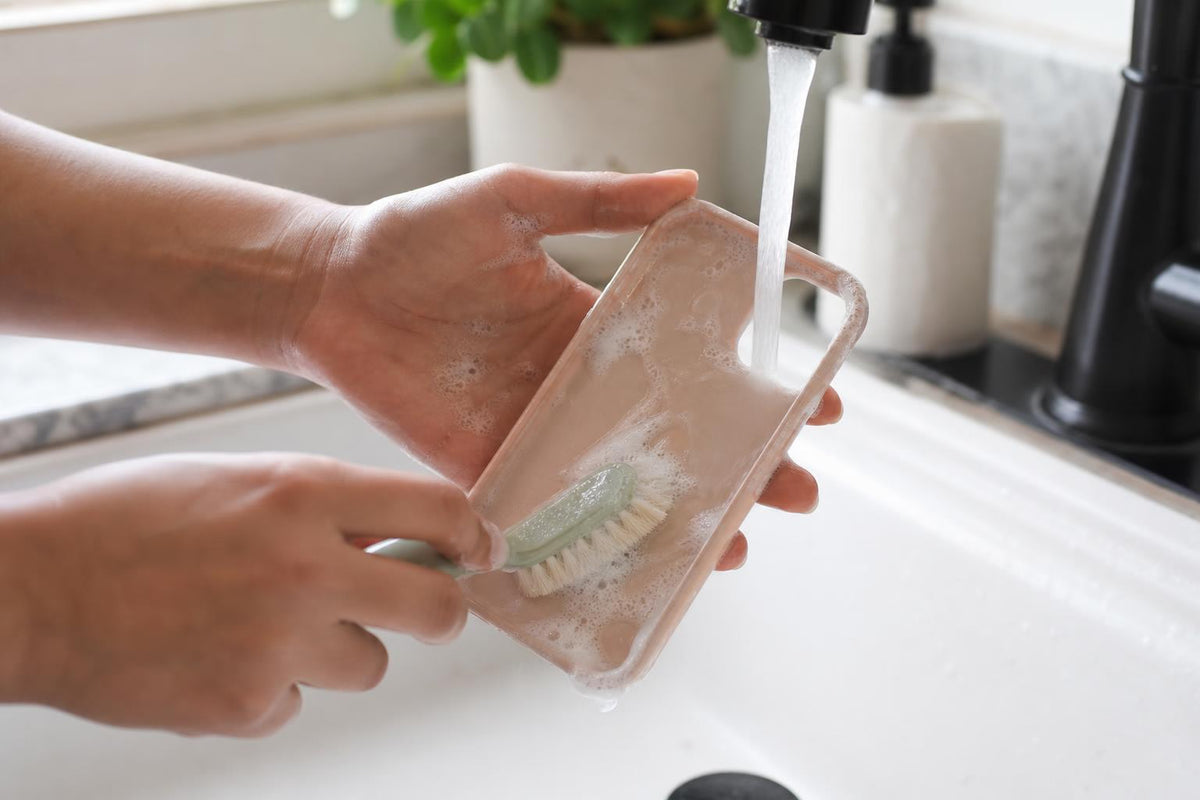
- Clean the leather surface first with a dry or slightly damp lint-free cloth
- Apply a coin-sized amount of conditioner to the cloth, not directly onto the leather
- Work it in using slow, circular motions
- Cover the entire surface evenly, paying extra attention to creases, seams, and stiff areas
- Let it absorb for 15 to 30 minutes
- Buff off any excess with a clean cloth
One thin coat is enough. If the leather still feels stiff after 24 hours, apply a second coat. Resist the urge to slather it on.
2. Neatsfoot Oil or Mink Oil (Best Natural Alternatives)
When a dedicated conditioner isn’t available, natural oils are a solid secondary option. Neatsfoot oil (rendered from cattle shin bones) has been used in leather care for centuries. It penetrates deeply into the fiber structure and causes less color shift than most alternatives, making it particularly effective on stiff vegetable-tanned leather.
Mink oil is another reliable choice, especially for items exposed to weather. Both absorb cleanly without leaving heavy residue.
Important: These are secondary choices, not replacements. A quality conditioner will always outperform household oils for consistent results. As one experienced leather worker summarized in a widely shared oil comparison guide: “Leather care is simple once you stop listening to kitchen-oil blog posts. Use a dedicated conditioner for daily leather, mink or neatsfoot for boots and weather-exposed gear, and never oil suede. Apply thin coats, buff off the excess, and do it less often than you think.”
3. Regular Use and Break-In
For new full-grain leather goods, consistent daily use is the most natural softening method. The fibers gradually loosen and conform to your movement patterns. This produces the deepest, most lasting softness because it comes from structural adjustment, not just surface treatment.
This method is especially relevant for small accessories:
- Phone cases soften and stretch to the phone’s contour within one to two weeks of continuous use
- Watch bands mold to the wrist within two to three weeks of daily wear
- Wallets and card holders break in fastest through regular pocket carry
Patience is the cost. But the result is leather that fits your specific use pattern perfectly.
4. Distilled Water Mist (Chemical-Free Option)
If you want to soften hard leather without oils or chemicals, water works. Fill a spray bottle with distilled water (tap water deposits minerals and can cause staining). Lightly mist the leather, working to wet all areas evenly. Wipe off excess water with a clean cloth and let the item air dry completely.
After drying, apply a leather conditioner to lock in the restored flexibility. Water alone opens the fibers temporarily, but without conditioning afterward, the leather will stiffen again as it dries.
5. Gentle Heat After Conditioning (Use with Caution)
Gentle heat can make leather more receptive to conditioning by temporarily loosening the fiber structure. Use a hair dryer on low or medium heat, held about 15 centimeters from the surface, kept moving at all times.
Critical warning: Never apply heat to dry, unconditioned leather. Heat without moisture strips whatever remaining oils are in the fibers. This is one of the fastest ways to crack and permanently damage leather. Always condition first, then use gentle heat to help the conditioner penetrate, never the reverse.
What NOT to Do When Softening Leather
This section matters more than the methods above. Most of the conflicting advice online comes from people recommending household products that cause long-term damage. Take a clear position here: dedicated leather products exist for a reason.
Olive Oil
Olive oil oxidizes rapidly inside leather. It goes rancid, weakens the fibers, and accelerates degradation over months. The short-term “it looks great” effect is followed by brittleness six to twelve months later. Any blog post recommending olive oil for leather care is giving advice that will cost you the item.
Coconut Oil
Coconut oil clogs leather pores, attracts dust, can go rancid over time, and leaves a greasy residue that weakens the grain. It also darkens leather permanently, which is a problem on lighter-colored items.
Leather Honey, a well-known leather care brand, states directly that vegetable oils “can rot and go rancid in the leather, make it brittle, stained and even smelly.”
Vaseline
Despite appearing in some online advice, Vaseline will not soften leather. Authoritative leather care sources warn that it eventually dries out the leather and destroys it. Petroleum jelly sits on the surface rather than penetrating the fiber structure, creating a false sense of treatment while blocking the leather’s ability to breathe.
Rubbing Alcohol
Alcohol strips oils aggressively. Applying it to leather removes the very lubrication you’re trying to restore, causing cracking and irreversible damage. If you need to spot quality leather or clean a specific stain, use products formulated for that purpose.
Over-Conditioning
More is not better. Applying conditioner more than once a month on most items oversaturates the fibers, weakens the internal structure, and creates a greasy surface that attracts dirt. One thin coat at the right interval does the job.
Household Products
Household cleaners, baby wipes, furniture polish, and generic cleaning sprays are not formulated for leather. They can strip protective finishes and leave chemical residues that degrade the material over time.
How Different Leather Types Respond to Softening
Not all leather softens the same way. The type you’re working with determines which methods are safe and how quickly you’ll see results.
Full-Grain Leather
Full-grain leather is the highest quality and most durable grade. It’s often the stiffest initially, but it rewards patience more than any other type. Because it retains the complete hide structure with all the natural oils, it responds best to conditioning and develops the most beautiful patina over time.
A leather professional quoted by Men’s Journal put it simply: “Full grain definitely responds best as it holds the complete hide structure with all the natural oils, whereas genuine leather and bonded leather have less of the natural structure to work with.”
Top-Grain Leather
Top-grain leather has been sanded or buffed to remove surface imperfections. It’s softer sooner than full-grain but still benefits from conditioning. It won’t develop the same depth of patina, but it breaks in faster. For a detailed comparison, see this top-grain vs. full-grain guide.
Vegetable-Tanned Leather
Highly absorbent and prone to drying out faster than chrome-tanned leather. Needs more frequent conditioning (every two to three months for items in regular use). This is the type that shows the most dramatic improvement from proper softening treatment.
Chrome-Tanned Leather
Softer out of the box and more moisture-resistant. Requires less frequent conditioning but still benefits from it, especially in dry climates. If your chrome-tanned leather item is already stiff, it’s likely been neglected for a long time and may need multiple conditioning sessions spaced a week apart.
Suede and Nubuck
Completely different rules. Oils, conditioners, and water-based treatments will stain and permanently alter the texture of suede and nubuck. Use only products specifically designed for napped leather surfaces. Standard softening methods do not apply here.
Bonded and Faux Leather
These are not real leather. Bonded leather is ground-up leather scraps mixed with synthetic binders. Faux leather is entirely synthetic. None of the conditioning or softening methods discussed in this article will work on them, and attempting to apply oils or conditioners may damage their coated surfaces.
Softening Leather Phone Cases, Watch Bands, and Small Accessories
Most guides on how to soften leather focus on jackets, boots, bags, and furniture. But the principles apply just as well to smaller items, with a few important differences in scale and technique.
Leather Phone Cases
A full-grain leather phone case starts firm and breaks in through daily handling. The natural oils from your hands, combined with the repeated gripping and flexing of placing the phone in and out of pockets, accelerate the process.
Break-in timeline: One to two weeks of continuous use is typically enough for the leather to stretch and conform to the phone’s contour. By the end of the first month, the case should feel noticeably softer and more comfortable in hand.
Conditioning phone cases: A coin-sized amount of conditioner on a lint-free cloth is more than enough for the entire case. Less is more on small items. Condition once every one to two months, or whenever the leather looks or feels dry. Don’t condition every time you clean the case.
Will conditioning affect MagSafe or Qi2 charging? No. A thin layer of leather conditioner does not interfere with magnetic charging. The conditioner absorbs into the leather fibers, not into the internal magnets or charging components. For more on compatibility details, check this leather phone case FAQ.
Patina development timeline for phone cases:
- Months 1 to 3: Leather softens and develops a micro-shine where your fingers grip most. Edges mellow and feel more comfortable.
- Months 4 to 6: Color deepens slightly. Texture evens out. Minor scuffs blend into the surface naturally.
- Months 7 to 12+: A distinct sheen forms. Darker tones mature. Small marks polish out with normal use. The case looks uniquely yours.
This aging process is part of what makes full-grain leather special. The self-healing property of full-grain means small marks soften with warmth and motion instead of flaking or peeling like coated materials.
Leather Watch Bands
Vegetable-tanned full-grain watch bands start firm and mold to the contour of your wrist over two to three weeks of daily wear. That molding is the point, not a problem.
If you want to speed things up slightly, one thin application of a lanolin-based conditioner before the first wear is reasonable. Beyond that, let daily wear do the work. Learn more about the break-in process in this guide on choosing a leather watch band.
Browse Bayelon’s leather Apple Watch bands for options built to soften and patina with wear.
Wallets and Card Holders
Pocket carry is the single best break-in method for wallets. The combination of body heat, movement, and the natural compression from sitting or walking loosens the fibers faster than any conditioning product.
For a new wallet, load it with your cards and cash on day one. Within a week, the card slots will loosen and the fold will become less rigid. Conditioning every three to six months keeps the leather flexible long term.
Maintenance Schedule to Keep Leather Soft
Softening leather isn’t a one-time fix. It’s an ongoing relationship. Here’s a practical schedule based on item type:
| Item | Conditioning Frequency | Notes |
|---|---|---|
| Phone cases | Every 1-2 months | Less is more; clean first |
| Watch bands | Monthly or when leather looks dry | Sweat exposure increases drying |
| Wallets | Every 3-6 months | Pocket carry provides natural oils |
| Bags | Every 3-6 months | More often in dry climates |
| Boots and shoes | Every 2-3 months | Weather exposure increases need |
General Maintenance Tips
- Always clean before conditioning. Dirt on the surface gets pushed into the fibers by the conditioner, causing long-term damage.
- Store leather in a cool, dry place at roughly 40 to 50 percent humidity. Too dry and the leather cracks. Too humid and you risk mold.
- Never store leather in airtight bags. Leather needs to breathe. Use dust bags made of cotton or other breathable fabric.
- Rotate items if possible. Giving leather a rest between uses allows oils to redistribute through the fibers.
Know When It’s Too Late
If the leather is intact but stiff, it can almost always be brought back to life with conditioning and patience. But once the grain starts cracking, the damage is permanent. No amount of conditioner will repair cracked leather fibers. The goal of regular maintenance is to never reach that point.
For ongoing care tips specific to phone cases, read this guide on how to care for full-grain leather phone cases.
Frequently Asked Questions
How long does it take to soften a new leather phone case?
Most full-grain leather phone cases soften noticeably within one to two weeks of daily use. The leather stretches to the phone’s contour and the stiffness in the edges mellows. By month three, you’ll see the beginnings of a patina forming where your fingers grip most.
Can I use coconut oil to soften leather?
No. Coconut oil clogs leather pores, attracts dust, darkens the leather permanently, and can go rancid inside the fibers over time. Use a dedicated leather conditioner instead. The short-term improvement isn’t worth the long-term damage.
How often should I condition leather to keep it soft?
It depends on the item. Phone cases benefit from conditioning every one to two months. Wallets and bags need it every three to six months. Over-conditioning (more than once a month for most items) saturates the fibers and weakens the structure.
Does softening leather with conditioner affect MagSafe charging?
No. Leather conditioner absorbs into the leather fibers and does not interfere with magnetic charging, MagSafe, or Qi2 functionality. The conditioner layer is far too thin and non-metallic to disrupt the magnetic connection.
What is the best product to soften leather?
A dedicated leather conditioner containing neatsfoot oil, beeswax, or lanolin is the safest and most effective option. If a conditioner isn’t available, pure neatsfoot oil or mink oil are the best natural alternatives. Avoid any product not specifically formulated for leather.
Is it normal for a leather watch band to feel stiff at first?
Yes. Vegetable-tanned full-grain leather watch bands are designed to start firm and mold to your wrist over two to three weeks of daily wear. That firmness is what gives the band its durability and shape retention over years of use.
Can I soften faux leather or bonded leather using these methods?
No. Faux leather and bonded leather are not real leather. Conditioning methods designed for genuine leather will not work on synthetic materials and may damage their coated surfaces. These methods only apply to real leather (full-grain, top-grain, or vegetable-tanned).
What’s the fastest way to soften leather safely?
Apply a thin coat of leather conditioner, let it absorb for 15 to 30 minutes, then use the item normally. For phone cases and watch bands, daily use combined with one conditioning session is the fastest safe approach. Avoid shortcuts like soaking, tumble drying, or using kitchen oils, all of which cause permanent damage.
Ready to experience how quality full-grain leather breaks in? Explore Bayelon’s leather wallets and accessories built to soften and develop character with every use.

Leave a comment
This site is protected by hCaptcha and the hCaptcha Privacy Policy and Terms of Service apply.