
Most phone cases look their best the day you open the box. A full-grain leather phone case is the opposite. It starts out looking good and then gradually becomes yours, developing a rich patina that no two people will ever share. If you’ve been curious about what patina actually means for a leather case, how long it takes to show up, and how to speed the process along, this guide covers all of it.
What Is Patina on a Leather Phone Case?
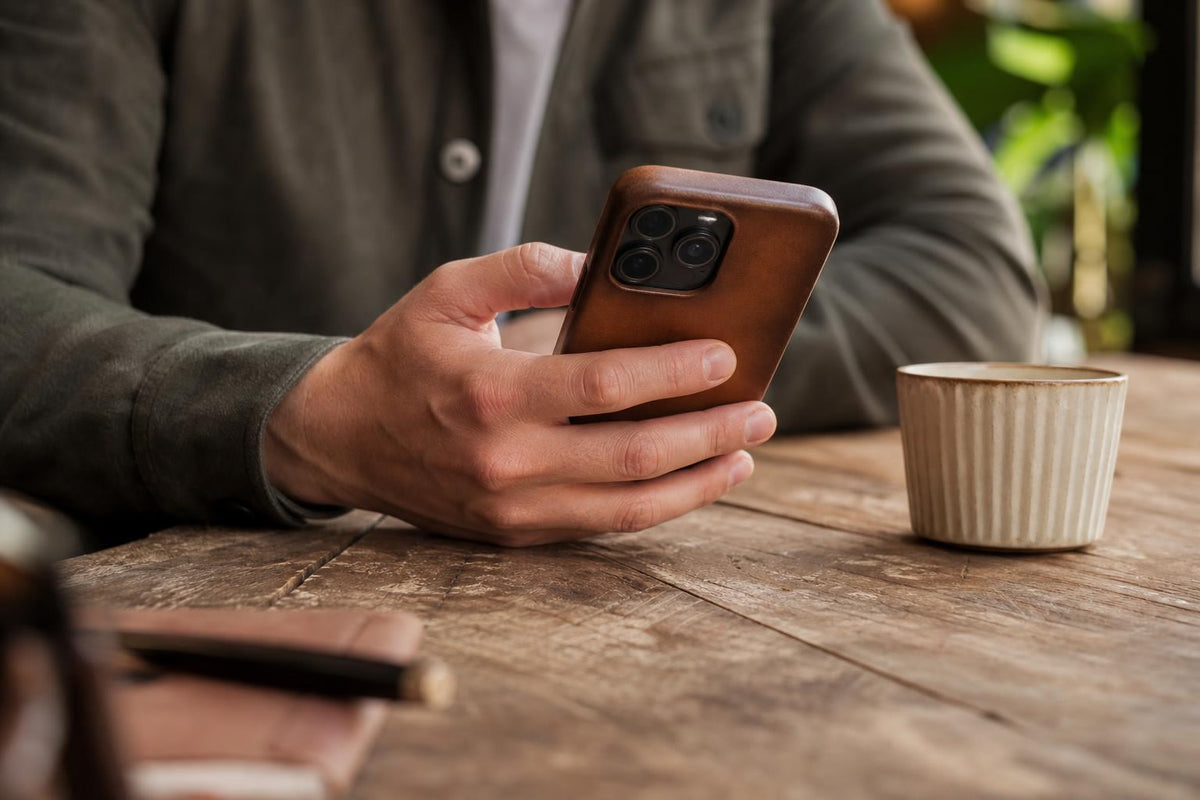
Patina is the gradual change in color, sheen, and texture that occurs when full-grain leather interacts with sunlight, natural oils from your hands, moisture, and friction. On a phone case, this happens faster than on most leather goods because you handle your phone dozens (or hundreds) of times a day.
The result is a deeper, warmer tone with a slight luster. A rustic tan case will shift toward a honey or amber shade. Dark brown leather grows richer and more saturated. Even black full-grain leather develops a subtle sheen that separates it from the flat, matte look of synthetic alternatives.
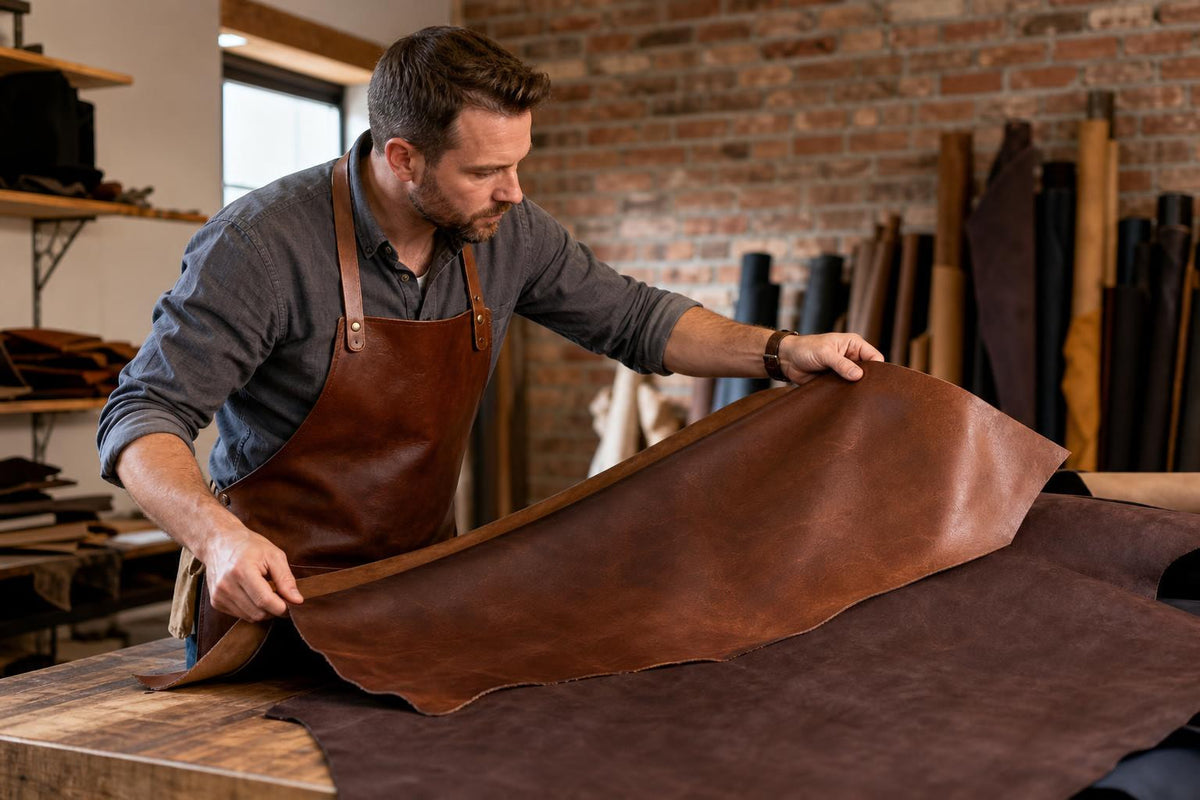
This isn’t damage. It’s by design. Full-grain leather, the outermost layer of the hide with the natural grain intact, is specifically chosen for its ability to patina beautifully over time. PU leather, bonded leather, and most “vegan leather” options won’t develop patina at all. They just wear out.
Why Full-Grain Leather Matters for Patina
Not all leather cases will patina. The key distinction is the grade of leather used:
- Full-grain leather retains the complete natural surface of the hide, including its pores and fibers. This is the grade that patinas. It absorbs oils and reacts to UV light, creating that lived-in character people seek out.
- Top-grain leather has been sanded or buffed to remove imperfections. It can develop some patina, but the result is less dramatic and less predictable.
- Genuine leather and bonded leather are lower grades that typically don’t patina in a meaningful way. They tend to peel or crack instead.
When shopping for a patina leather case, look for products that specifically say “full-grain leather” rather than just “leather” or “genuine leather.” Bayelon’s phone cases, for example, use 100% full-grain leather across their iPhone, Samsung Galaxy, and Google Pixel lines, which is one reason they develop patina the way traditional leather goods should.
How Patina Develops on a Phone Case (Timeline)
Phone cases patina faster than wallets, bags, or watch straps. The reason is simple: constant contact. You’re touching your phone case with warm hands throughout the day, setting it down on surfaces, sliding it in and out of pockets. All of that accelerates the process.
Here’s a rough timeline based on what leather case owners typically report:
Week 1 to 2: The leather begins to soften. You might notice the edges where your fingers grip most often starting to darken slightly. The surface feels less stiff.
Month 1 to 2: Color shifts become visible, especially on lighter shades like tan or natural. The leather takes on a warmer, deeper tone. High-contact areas (corners, edges, the spot where your thumb rests) show the most change.
Month 3 to 6: The patina is unmistakable. The case has developed an even, rich color that looks dramatically different from a new case of the same model. The leather has a soft luster and feels broken in.
Month 6 and beyond: The patina continues to deepen but at a slower rate. At this stage, the case has a truly unique character. Scratches and marks blend into the overall look rather than standing out as blemishes.
Practitioners on Reddit’s r/leather and various phone accessory forums frequently note that lighter-colored cases (like rustic tan or natural veg-tan) show the most dramatic patina transformation. If you want to watch your case visibly evolve, start with a lighter shade.
Which Colors Show the Best Patina?
Color choice has a major impact on how noticeable the patina will be.
Rustic Tan / Natural
This is the crowd favorite for patina enthusiasts. Tan leather starts light and develops into a warm caramel or honey shade over months. Every scratch, oil mark, and sun exposure adds to the character. The transformation is dramatic enough that before-and-after photos look like two entirely different products.
Vintage Brown
Brown leather offers a more subtle patina journey. It deepens and enriches rather than dramatically shifting hue. The result is a polished, classic look that gains warmth without as much visible contrast from the starting color.
Dark Brown / Rustic Black
Darker leathers still patina, but the changes are more about sheen and texture than color shift. Dark brown cases develop a richer, more complex tone. Black full-grain leather gains a gentle luster and softness that synthetic cases can never replicate. If you want patina without an obvious color change, darker options are the way to go.
Bayelon offers cases in Rustic Tan, Dark Brown, Vintage Brown, and Smoked/Rustic Black, all in full-grain leather, so you can pick based on how much visible patina evolution you want.
How to Speed Up Patina on Your Leather Phone Case
If you’re impatient (and plenty of people are), there are a few ways to accelerate patina development without damaging the leather.
1. Use Your Case Without a Screen Protector Pouch
This sounds obvious, but some people keep their leather cases in additional sleeves or pouches. The more direct skin contact the leather gets, the faster oils transfer and patina develops. Just use the case as your daily driver.
2. Apply a Light Coat of Leather Conditioner
A small amount of leather conditioner (look for one designed for full-grain or vegetable-tanned leather) will darken the leather slightly and accelerate the aging process. Apply a thin, even layer with a soft cloth, let it absorb for 15 to 20 minutes, then buff off any excess.
Don’t overdo it. One application every few weeks is plenty. Too much conditioner can oversaturate the leather and make it feel greasy.
3. Sunlight Exposure
UV light accelerates patina. Leaving your case in indirect sunlight for short periods (30 minutes to an hour at a time) will speed up color development, especially on lighter leathers. Avoid prolonged direct sunlight, which can dry out the leather unevenly.
4. Handle It More
This is the most natural method. The oils from your hands are the primary driver of patina. If you tend to set your phone on a wireless charger and not touch it much, the patina will develop more slowly. Active, frequent use is the best accelerator.
5. Coconut Oil (Use Sparingly)
Some leather enthusiasts on forums swear by a tiny amount of coconut oil rubbed into the leather to jump-start the darkening process. It works, but be conservative. A little goes a long way, and too much will leave the leather feeling oily for days.
Patina Leather Case for iPhone, Samsung, and Pixel
Patina isn’t exclusive to any one phone brand. The leather doesn’t care whether it’s wrapping an iPhone 16 Pro Max or a Samsung Galaxy S25 Ultra. What matters is the quality of the leather and the construction of the case.
iPhone users have historically had the most options for full-grain leather cases. Apple’s own leather cases (now discontinued) popularized the concept, and brands like Bayelon, Nomad, and Bullstrap stepped in to fill the gap. Bayelon’s iPhone cases cover models from the iPhone 13 through the iPhone 17 series, including MagSafe-compatible options that still develop patina normally since the magnets sit beneath the leather.
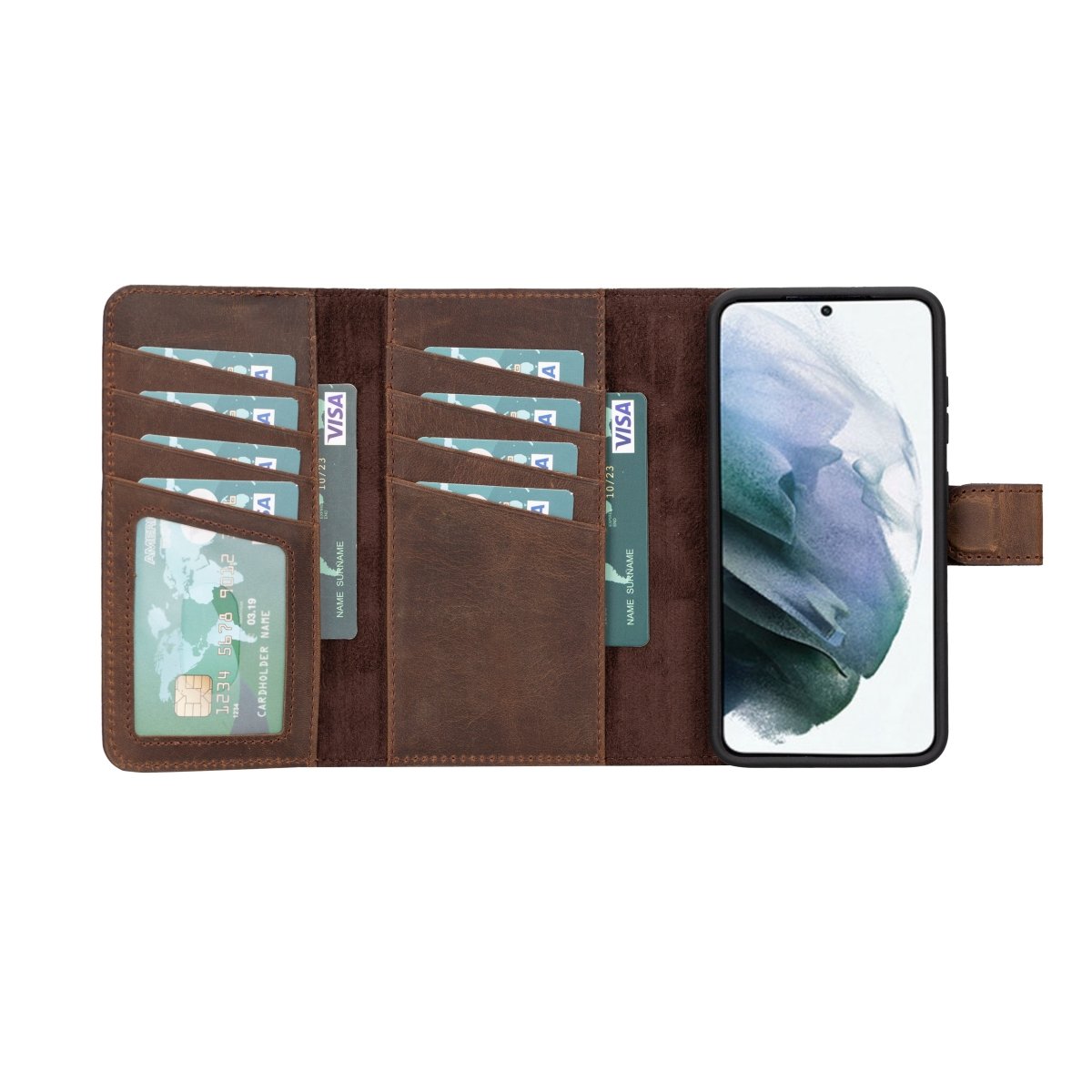
Samsung Galaxy owners have fewer choices in the full-grain leather space, which makes finding a good option more valuable. Bayelon offers leather wallet cases for the Galaxy S25 series with the same full-grain leather that patinas over time.
Google Pixel users are in a similar position to Samsung owners. The market is smaller, but full-grain options exist. Bayelon carries Pixel 8 leather wallet cases, and the patina development is identical to their iPhone and Samsung lines since the same leather is used across devices.
Caring for a Patina Leather Case
Patina is desirable. Damage is not. Here’s how to keep the aging process looking intentional:
Clean gently. Use a slightly damp cloth to wipe away dirt or grime. Don’t use harsh cleaners, alcohol, or acetone on full-grain leather. They strip the natural oils that contribute to patina.
Condition occasionally. Every 4 to 6 weeks, apply a light coat of leather conditioner. This keeps the leather supple and prevents cracking without interfering with patina development.
Embrace minor scratches. Small scratches on full-grain leather often buff out with your thumb or a soft cloth. The natural oils in the leather help these marks blend into the patina over time. This self-healing quality is one of the biggest advantages of full-grain over lower leather grades.
Avoid water saturation. A few drops of rain won’t hurt, but don’t submerge your leather case or leave it in wet conditions. If it does get wet, let it air dry naturally at room temperature. Never use a hair dryer or heater, which can cause the leather to crack.
Keep it away from sharp objects in your pocket. Keys, coins, and other hard items can leave deep scratches that won’t blend into the patina as easily. If you carry your phone in a pocket with other items, consider which pocket you use.
What to Look for When Buying a Leather Case for Patina
Not every leather case marketed as “premium” will actually develop a good patina. Here’s a quick checklist:
-
Leather grade must be full-grain. This is non-negotiable. If the listing doesn’t specify “full-grain,” assume it’s a lower grade.
-
Minimal or no coating. Some leather cases are coated with a thick lacquer or finish that prevents the leather from breathing and absorbing oils. Lightly finished or unfinished leather patinas best.
-
Vegetable-tanned is a bonus. Vegetable-tanned full-grain leather develops the most dramatic patina. Chrome-tanned leather can also patina but tends to be more uniform and less expressive in its aging.
-
Construction quality matters. Stitching, edge finishing, and how the leather is bonded to the case shell all affect long-term durability. A case that falls apart in three months won’t have time to develop a real patina.
-
Device-specific fit. A good leather case should have precise cutouts for cameras, buttons, and ports. Bayelon’s cases are designed with raised edges for screen and camera protection while maintaining a slim profile, which means the leather covers enough surface area to show off its patina.
Patina Leather Case vs. Synthetic: Why It’s Worth the Upgrade
Synthetic phone cases, whether silicone, TPU, polycarbonate, or PU leather, all share one trait: they degrade. They yellow, peel, crack, and look worse over time. You replace them because they become eyesores.
A full-grain leather case follows the opposite trajectory. Six months in, it looks better than it did new. A year in, it has character that can’t be bought or faked. This is why leather case owners on forums and Reddit communities often say they feel reluctant to upgrade phones, not because of the phone itself, but because they don’t want to give up a perfectly patinated case.
The cost difference is real. A good full-grain leather case typically runs $30 to $80 depending on the brand and form factor, compared to $10 to $25 for a synthetic case. But if you factor in the fact that you won’t feel compelled to replace it every few months, the per-use cost often works out lower. Bayelon’s cases sit in the mid-market range, frequently running sales that bring full-grain leather cases below what some competitors charge for top-grain.
Frequently Asked Questions About Patina Leather Cases
Does patina affect the case’s protection?
No. Patina is a surface-level change in color and sheen. The structural integrity of the leather and the inner protective shell (typically a polycarbonate or TPU frame) remain unaffected.
Can I remove patina if I don’t like how it looks?
Partially. A leather cleaner can lighten some of the accumulated oils, but you can’t fully reverse patina. This is why it’s worth starting with a color you’ll enjoy watching evolve.
Will a leather case with MagSafe still develop patina?
Yes. MagSafe magnets are embedded in the case frame beneath the leather. They don’t interfere with patina development at all.
Does the patina smell?
Full-grain leather has a natural, pleasant leather scent that most people enjoy. As the case patinas, this scent mellows but doesn’t disappear entirely. It won’t develop any unpleasant odor from normal use.
How long does a full-grain leather case last?
With basic care, a well-made full-grain leather case can easily last 2 to 3 years or more. Many people keep them for the entire lifespan of their phone and beyond, transferring their appreciation for aged leather to their next case.
The Bottom Line
A patina leather case isn’t just a protective accessory. It’s the rare phone case that actually improves with use. The key is starting with genuine full-grain leather, picking a color that matches how much visible aging you want, and then simply using your phone the way you already do. Time and daily handling do the rest.
If you’re ready to try one, Bayelon’s full-grain leather cases are available for current iPhone, Samsung Galaxy, and Google Pixel models, with free U.S. shipping and 30-day returns if the fit or feel isn’t right. Pick a Rustic Tan if you want to watch the patina journey unfold in full color, or go with a darker shade for a more understated evolution.


Leave a comment
This site is protected by hCaptcha and the hCaptcha Privacy Policy and Terms of Service apply.