
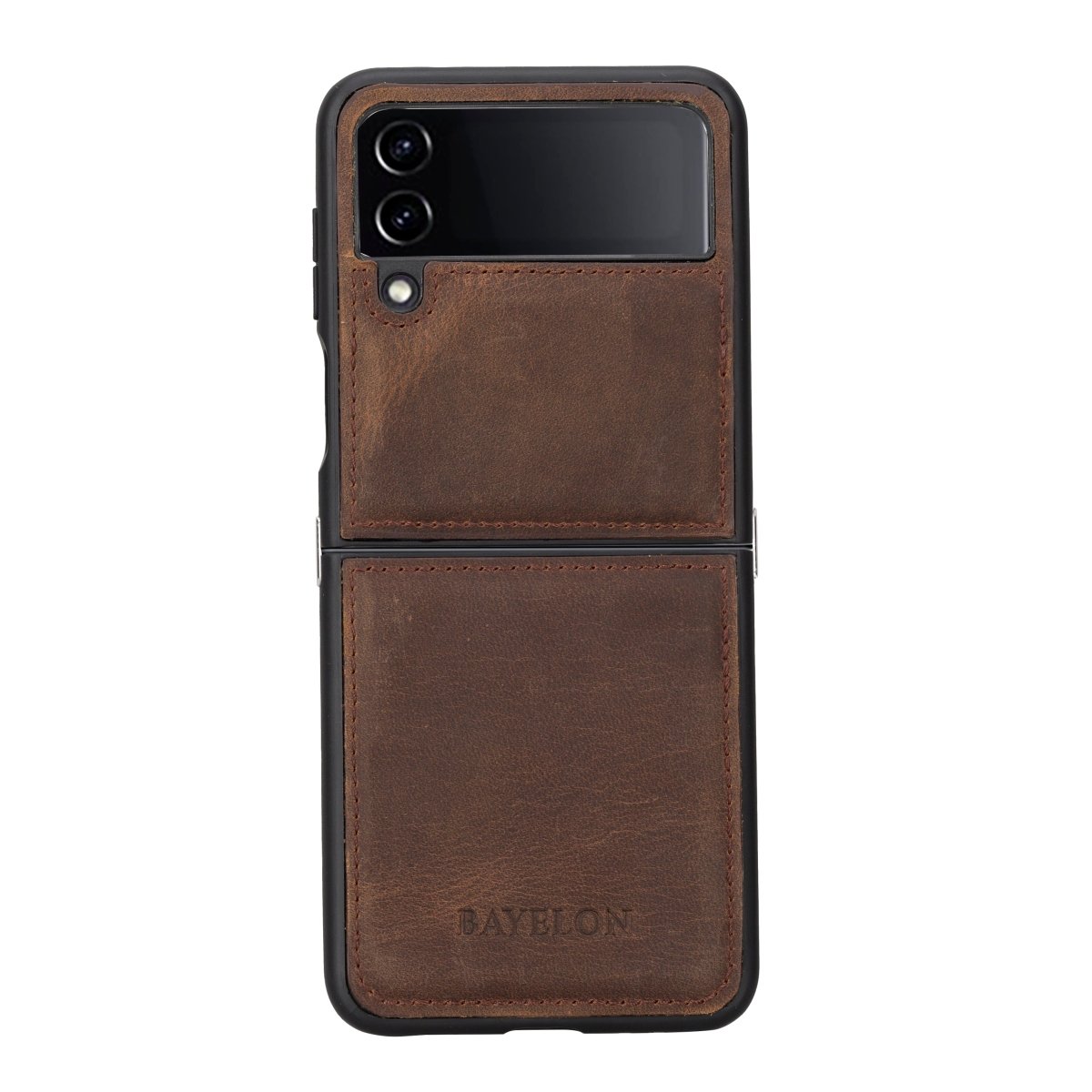

Reasons to Buy the Best Leather iPhone Case: A Practical Glossary
TLDR
The best leather iPhone case combines premium material with protective engineering: MagSafe/Qi2 alignment, raised edges, a shock-absorbing bumper, and a finish that develops patina rather than peeling. Apple stopped making leather cases in 2023, so third-party brands are the only option for real leather. This guide covers the core reasons to buy, defines the terms you will see while shopping, and walks through the tradeoffs that most buying guides skip.
What Is a Leather iPhone Case?
A leather iPhone case is a phone case that uses leather as its outer material, typically wrapped around a structured inner shell or bumper. The leather provides feel, grip, and visual character. The shell and bumper provide the actual protection.
That distinction matters. Leather alone does not make a phone case good. A great leather case pairs quality leather with precise engineering, and understanding both sides is one of the first reasons to buy the best leather iPhone case rather than a cheap one. According to Apple’s own care guidance, leather iPhone cases are made from natural leather, their appearance changes with use, and they may acquire patina from skin oils and sunlight.
Since Apple ended the use of leather across all product lines in September 2023 as part of its Apple 2030 environmental effort, shoppers who want real leather for their iPhone now rely entirely on third-party brands. That puts more weight on knowing what to look for before you buy.
Browse Bayelon’s leather iPhone cases
7 Reasons to Buy the Best Leather iPhone Case
Here are the reasons to buy a high-quality leather iPhone case, broken down by what actually matters day to day.
1. Premium Hand Feel
This is the reason most people start considering leather in the first place. Leather feels warmer and more tactile than hard plastic, slick glass, or rubbery silicone. It softens slightly with use and conforms to how you hold the phone.
Practitioners on Reddit report that the feel difference between a true leather case and a thin leather-coated plastic shell is dramatic. One user searching for an iPhone 14 Pro case described wanting the older Apple leather feel, something “supple, plush, and patina-forming,” not a synthetic layer over rigid plastic. Responses pointed to several third-party brands while noting price and design tradeoffs, confirming that feel is the primary buying driver.
2. Natural Grip
A bare iPhone back is glass. It slides off tables, slips in hands, and begs for a case. Leather offers a natural friction that improves grip without adding bulk or a rubbery texture. Grip also improves over time as the leather surface develops texture from handling.
Worth noting: grip varies depending on the leather’s finish and coating. A heavily lacquered leather case can feel nearly as slick as plastic. Uncoated or lightly finished leather tends to grip better.
3. Patina Over Time
Patina is the natural change in a leather surface’s color, sheen, and texture from everyday use. Skin oils, friction, and light exposure gradually darken and enrich the leather. Apple states explicitly that leather iPhone cases can acquire patina and change color from oils and sunlight.
This is different from damage. Patina is gradual, even darkening and softening. Damage is peeling, flaking, cracking, or dye loss. The difference comes down to material quality. If you want to understand what real patina looks like over months of use, our guide on how leather ages breaks down the process.
Community discussions show that buyers disagree on where patina ends and “ugly wear” begins. Some users love the character. Others complain that certain cases discolor or chip because the finish was never meant to age gracefully.
4. Professional Style
Leather reads as mature and business-friendly in a way that graphic silicone cases or bright TPU shells do not. For meetings, client calls, or any setting where appearance matters, a leather case is one of the few phone accessories that looks intentional rather than functional.
This does not mean every leather case looks professional. Color, stitching, and design still matter. A rustic tan folio case and a slim black back cover send different signals.
5. Protection Without a Rugged Look
One of the strongest reasons to buy the best leather iPhone case is that it hides protective engineering under a clean exterior. The best cases pair leather with TPU bumpers, polycarbonate shells, raised screen lips, and camera ring protection. Macworld’s current iPhone case roundup highlights leather cases that combine TPU bumpers with raised edges, camera protection, metal buttons, and MagSafe compatibility, with some rated for drops up to 8 to 15 feet.
Leather alone is not drop-proof. The bumper and shell do the heavy lifting. But a well-built leather case lets you skip the bulky rugged-case look while still getting meaningful impact absorption.
6. MagSafe and Qi2 Convenience
MagSafe and Qi2 wireless charging are now central to how people use their iPhones. Chargers, car mounts, wallet attachments, and battery packs all rely on magnetic alignment. A leather case that blocks or weakens that alignment creates daily frustration.
The Wireless Power Consortium’s Qi v2.0 standard includes a Magnetic Power Profile based on Apple’s MagSafe technology, designed for magnetic attachment, better alignment, faster charging, and higher efficiency. That makes magnet quality and placement in a leather case more important than ever. If you are unsure about wireless charging compatibility, our Qi2 charger guide answers the most common questions.
7. Wallet and Carry Options
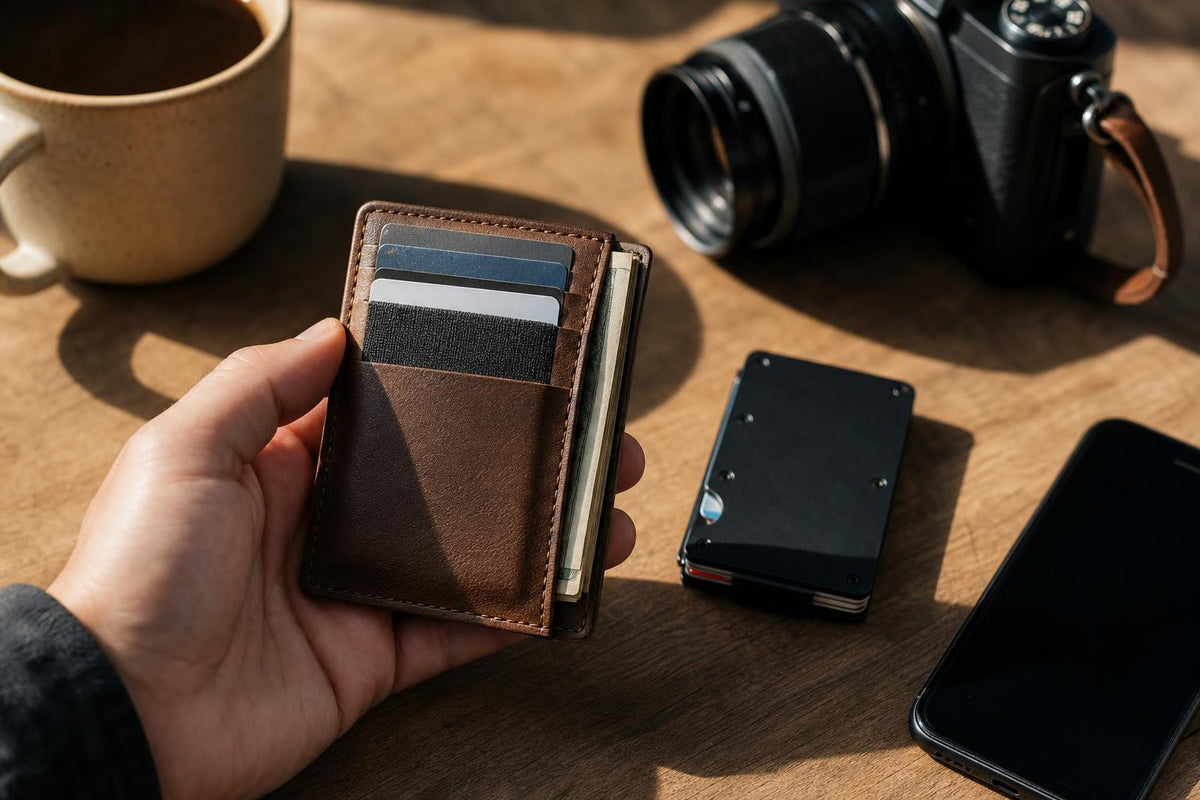
Leather lends itself well to folio cases, wallet cases, detachable wallet cases, and crossbody designs. If you want to carry cards, cash, or ID alongside your phone, a leather wallet case can replace a separate wallet entirely.
But this benefit comes with a practical tradeoff. Apple warns users not to place credit cards, security badges, passports, or key fobs between an iPhone and MagSafe Charger because magnetic strips or RFID chips can be damaged. That warning is one reason detachable wallet cases have become popular: you get card carry when you want it and slim, charge-ready convenience when you do not.
What “Best” Really Means in a Leather iPhone Case
The word “best” in this context is not just about the nicest leather. The best leather iPhone case gets the entire formula right. Here is a checklist worth running through before you buy.
A best-in-class leather iPhone case should have:
- Real leather, clearly described (not vague “premium material” language)
- Precise fit for your specific iPhone model
- Raised edges around both the screen and camera module
- Tactile, responsive button covers
- MagSafe or Qi2 compatibility if you use magnetic charging or accessories
- A protective bumper or rigid inner shell
- A finish that will develop patina, not peel or flake
- Wallet or card design that does not make wireless charging impossible
- A clear return policy or warranty to reduce purchase risk
Bayelon’s full-grain leather iPhone cases are built around many of these criteria, including MagSafe/Qi2 compatibility, PC core plus TPU bumper construction, raised edge protection, detachable wallet options, and a 90-day manufacturer warranty with 30-day free returns in the U.S.
Glossary: Leather Terms Buyers Confuse
Shopping for a leather iPhone case means running into terminology that can be misleading without context. Here is what the most common terms actually mean and why they matter.
Full-Grain Leather
The outer grain surface of the hide is left intact, with natural markings visible. Full-grain leather is widely considered a strong quality signal because it retains the hide’s natural strength and develops patina well. But it is not the only quality factor. Construction, finish, tannage, and case engineering all matter too.
If you want a deeper look at what separates quality grades, our guide on spotting quality leather covers the details.
Top-Grain Leather
Leather from the grain side that has been sanded, corrected, or finished for a smoother, more uniform appearance. It can still be high quality, but it may patina differently depending on coating thickness. Avoid the common oversimplification that all top-grain is automatically inferior to full-grain.
Genuine Leather
This term usually means the item contains real leather, but it does not tell you much about quality. The FTC’s Leather Guides focus on preventing misrepresentation about leather and imitation leather composition, not on ranking leather into an official quality ladder. Leatherworking communities on Reddit often caution that “genuine leather” is a legal and marketing label, not a precise grade.
Faux Leather, PU Leather, and Vegan Leather
These are leather-like materials made from polyurethane, recycled synthetics, plant-based composites, or other engineered alternatives. They can look similar to leather at a glance but do not develop patina. The FTC requires that products appearing to be leather but made from non-leather materials should disclose that clearly.
Patina
The gradual change in leather’s color, sheen, and surface texture from handling, skin oils, light exposure, and friction. Patina is the main reason many people choose leather over plastic or silicone. It turns a case into something personal. Brown and tan cases tend to show patina more visibly than black ones.
Leather Finish and Coating
The surface treatment applied to leather after tanning. A heavy coating can make leather feel plastic-like and prevent real patina. A light or no-coat finish allows the leather to breathe and age, but it also makes the leather more susceptible to staining.
Glossary: iPhone Case Engineering Terms
The engineering inside a leather case matters as much as the leather on the outside. These terms help you evaluate protection and compatibility.
MagSafe
Apple’s magnetic alignment system built into compatible iPhones. MagSafe enables snap-on chargers, wallets, stands, battery packs, and car mounts. A leather case needs properly placed, strong magnets to maintain this functionality.
Qi2
The next-generation wireless charging standard from the Wireless Power Consortium, incorporating a Magnetic Power Profile based on Apple’s MagSafe technology. Qi2 makes magnetic alignment a broader industry standard, which raises the bar for case compatibility across all brands.
Raised Edges and Camera Lip
A lip around the screen and camera module that keeps glass from touching flat surfaces. This is one of the simplest protection features to verify. If the case sits flush with the screen or camera glass, it is not doing its job.
TPU Bumper
A flexible, shock-absorbing thermoplastic polyurethane frame around the phone’s edges. TPU bumpers absorb impact energy from drops and corner hits. Many of the best-reviewed leather cases use TPU bumpers as their primary protective layer, with the leather serving as the exterior material.
PC Core (Polycarbonate Shell)
A rigid plastic inner structure that holds the phone snugly and prevents the case from stretching or warping. Combined with a TPU bumper and leather exterior, a polycarbonate core creates a three-layer system: structure, impact absorption, and premium feel.
Button Covers and Port Cutouts
Precision-cut openings for ports, speakers, and switches, plus tactile covers over volume and power buttons. Practitioners on Reddit consistently flag weak button feel as one of the most common complaints with otherwise good leather cases. If buttons feel mushy or require extra force, the case was not designed well.
Glossary: Wallet and Carry Terms
Wallet-style leather cases solve the problem of carrying a phone and cards separately, but they introduce tradeoffs around bulk, charging, and card safety.
Wallet Case
A case with built-in card slots, sometimes with a front flap that covers the screen. Useful for reducing pocket clutter. The tradeoff: cards can complicate MagSafe charging and may need to be removed before placing the phone on a charger.
Folio Case
A wallet case with a full front cover that folds open like a book. Folios offer screen protection and card storage but add thickness. They work best for people who do not mind the added bulk and want all-around coverage.
Detachable Wallet Case
A two-piece system where the wallet portion separates from the back cover magnetically. This is the design that solves the biggest wallet-case tension: carry cards when you need them, detach when you are charging, mounting, or pocketing the phone slim. Our detachable wallet guide explains the everyday pros and cons in more detail.
See Bayelon’s detachable wallet case for iPhone 17 Pro
RFID
Radio-frequency identification technology found in some credit cards, passports, security badges, and key fobs. Apple specifically warns that RFID chips and magnetic strips can be damaged if placed between an iPhone and a MagSafe Charger. Some wallet cases include RFID-blocking material, though this is not universal.
Crossbody Phone Case
A case with a strap for hands-free carry across the body. Practical for travel, errands, concerts, and anyone who does not want the phone in a pocket. Leather crossbody cases combine function with a polished look that works in more settings than a nylon lanyard.
Kickstand
A built-in stand (often the wallet flap itself) that props the phone up for hands-free viewing. Useful for video calls, recipes, and media. A detachable wallet that doubles as a kickstand adds functionality without extra bulk.
Real-World Tradeoffs: When Leather Is Not the Right Choice
Honest tradeoff coverage is one of the reasons to buy the best leather iPhone case from a brand that actually explains what to expect rather than just selling “luxury.” Here is what you should know.
Leather Changes Appearance
This is a feature for some and a dealbreaker for others. Apple’s care guidance confirms that leather can change color from skin oils and sunlight, and that water, oil, makeup, and dyed materials like denim can stain tanned leather. If you want a case that stays visually identical to day one, leather will disappoint you.
Leather Is Not Always the Most Rugged Option
For extreme drop protection in construction, warehouse, or outdoor settings, a thick rugged case with certified impact ratings will outperform a slim leather case. The best leather cases balance style and protection, but they are not all built equally. Protection comes from the bumper and shell, not the leather.
Wallet Cases Can Affect Charging
Cards may need to be removed before wireless charging works properly. Apple’s MagSafe support page warns specifically about credit cards, badges, passports, and key fobs. Detachable wallet designs solve this by letting you separate the wallet before placing the phone on a charger.
MagSafe Strength Varies by Case
Not all “MagSafe-compatible” cases deliver the same magnetic hold. In Reddit’s MagSafe community, users repeatedly discuss wallet slippage and weak magnets. Surface friction matters too: leather-on-leather contact between a case and a MagSafe wallet can actually help the wallet stay put compared to a slick plastic surface.
Sustainability Is Complicated
Apple stopped using leather as part of its environmental strategy, replacing it with FineWoven. Meanwhile, the International Council of Tanners describes leather as a by-product of meat, wool, and dairy industries. The honest position: leather has environmental tradeoffs. If sustainability matters, look for transparency around sourcing, tannery standards, and case longevity rather than vague “eco-friendly” claims.
Who Should Skip Leather
Consider a different material if you:
- Want a case that stays visually perfect and unchanged
- Frequently expose your phone to water, gym sweat, sunscreen, or heavy grime
- Prefer vegan or synthetic materials
- Need maximum rugged protection over everything else
How to Choose the Best Leather iPhone Case: The L.E.A.T.H.E.R. Framework
There are many reasons to buy the best leather iPhone case, but translating those reasons into an actual purchase decision requires a system. This framework covers the seven things to evaluate before checkout.
L, Leather Quality. Is the leather clearly described? Is it full-grain, top-grain, coated, or synthetic? Vague descriptions like “premium material” are a red flag.
E, Engineering. Does the case have raised edges, camera protection, button coverage, a TPU bumper, or a rigid inner shell? A pretty case that does not protect the phone is not worth buying.
A, Accessory Compatibility. Does it work with MagSafe chargers, Qi2 pads, car mounts, wallets, stands, and battery packs? Magnetic strength and alignment need to be right.
T, Tradeoffs. Will cards block charging? Will the leather stain from denim? Is the bottom exposed? Will the finish patina or peel? Knowing the tradeoffs upfront prevents regret.
H, Hand Feel. Does it feel soft, grippy, and natural, or slick and synthetic? This is hard to judge from photos alone, which makes a clear return policy important.
E, Everyday Carry. Do you need slim pocket carry, wallet carry, crossbody carry, or detachable flexibility? Match the case form to how you actually use your phone.
R, Return and Warranty Confidence. Is there a clear return policy or warranty if the fit, finish, or functionality is not right? Bayelon offers 30-day free returns and exchanges within the U.S. and a 90-day manufacturer warranty against material and craft defects. You can read the details in the warranty policy overview.
Quick Use-Case Guide
| Use Case | Best Case Type | What to Prioritize |
|---|---|---|
| Minimal pocket carry | Slim leather back case | Thin profile, MagSafe strength, raised camera lip |
| Wallet replacement | Leather wallet or folio | Card slots, magnetic closure, charging workflow |
| MagSafe-heavy setup | MagSafe leather case | Magnet alignment, accessory hold, charger compatibility |
| Travel and errands | Crossbody leather case | Strap security, wallet capacity, hands-free carry |
| Video calls and media | Wallet with kickstand | Stand angle, hinge durability, detachable design |
| Maximum protection | Leather case with TPU bumper | Raised edges, corners, camera lip, full bumper coverage |
How to Care for a Leather iPhone Case
Leather care is simpler than most guides make it sound, but it does require a few ground rules. Apple recommends removing the case from the iPhone before cleaning, using warm water and mild hand soap gently if needed, and understanding that cleaning or conditioning products can change the leather’s color.
Keep the case away from prolonged intense sunlight, heat, humidity, water, oil, makeup, and dyed materials. Denim, in particular, is a common culprit for dye transfer onto lighter leather.
A few practical notes:
- Brown and tan leather shows patina faster and more visibly than black leather
- If you love the “well-worn” look, embrace the change rather than fighting it
- If you prefer a pristine appearance, leather may frustrate you over time
- Light cleaning is fine, but avoid soaking or aggressive scrubbing
For a more detailed walkthrough, our leather care guide covers cleaning, conditioning, and stain prevention step by step.
FAQ
Are leather iPhone cases worth the money?
Yes, if you value premium feel, natural grip, patina, and style, and if the case also provides proper protection and MagSafe or Qi2 compatibility. The reasons to buy the best leather iPhone case all come back to the combination of material quality and case engineering. A cheap leather-look case over a flimsy shell is not worth it. A well-built full-grain leather case with a protective bumper and raised edges is.
Is full-grain leather the best option for a phone case?
Full-grain leather is a strong quality indicator because the natural grain surface is intact, which typically means better durability and patina potential. But it is not the only thing that makes a case good. Fit, bumper design, button feel, camera protection, and MagSafe alignment all matter. A full-grain case with poor engineering will disappoint you faster than a well-made top-grain case.
Do leather cases work with MagSafe?
They can, when they are designed with properly aligned and sufficiently strong magnets. The Qi2 standard, which builds on MagSafe’s magnetic alignment technology, makes this compatibility even more important. A case that is too thick, poorly magnetized, or misaligned will weaken charger attachment and slow charging speeds.
Can I wirelessly charge with a leather wallet case?
In most cases, you need to remove the cards or detach the wallet portion first. Apple warns against placing credit cards, security badges, passports, or key fobs between the phone and a MagSafe Charger. Detachable wallet cases are the most practical solution because you can separate the wallet when it is time to charge.
Will a leather iPhone case stain?
It can. Water, oil, makeup, dyed fabrics, and prolonged sun exposure can all affect tanned leather. This is part of the material’s character, not a defect, but it does mean leather requires more awareness than plastic or silicone cases.
What is the difference between patina and damage?
Patina is the gradual, natural darkening and softening of leather from handling and use. It adds character and depth. Damage is peeling, flaking, cracking, bubbling, or coating separation. Patina happens to quality leather. Damage happens to poor finishes and synthetic layers marketed as leather.
Why did Apple stop making leather cases?
Apple ended leather across its product lines in September 2023 as part of its environmental strategy and introduced FineWoven as a replacement material. This decision pushed leather-loving iPhone owners toward third-party brands, which is now one of the main reasons to buy the best leather iPhone case from brands that specialize in the material.
What should I look for in a leather iPhone case return policy?
Look for a policy that lets you try the case on your phone and return it if the fit, feel, or quality is not right. Bayelon offers 30-day returns and exchanges with free shipping on returns within the U.S., plus a 90-day manufacturer warranty for material and craftsmanship defects. You can review the return policy details before ordering.


Leave a comment
This site is protected by hCaptcha and the hCaptcha Privacy Policy and Terms of Service apply.