

TL;DR
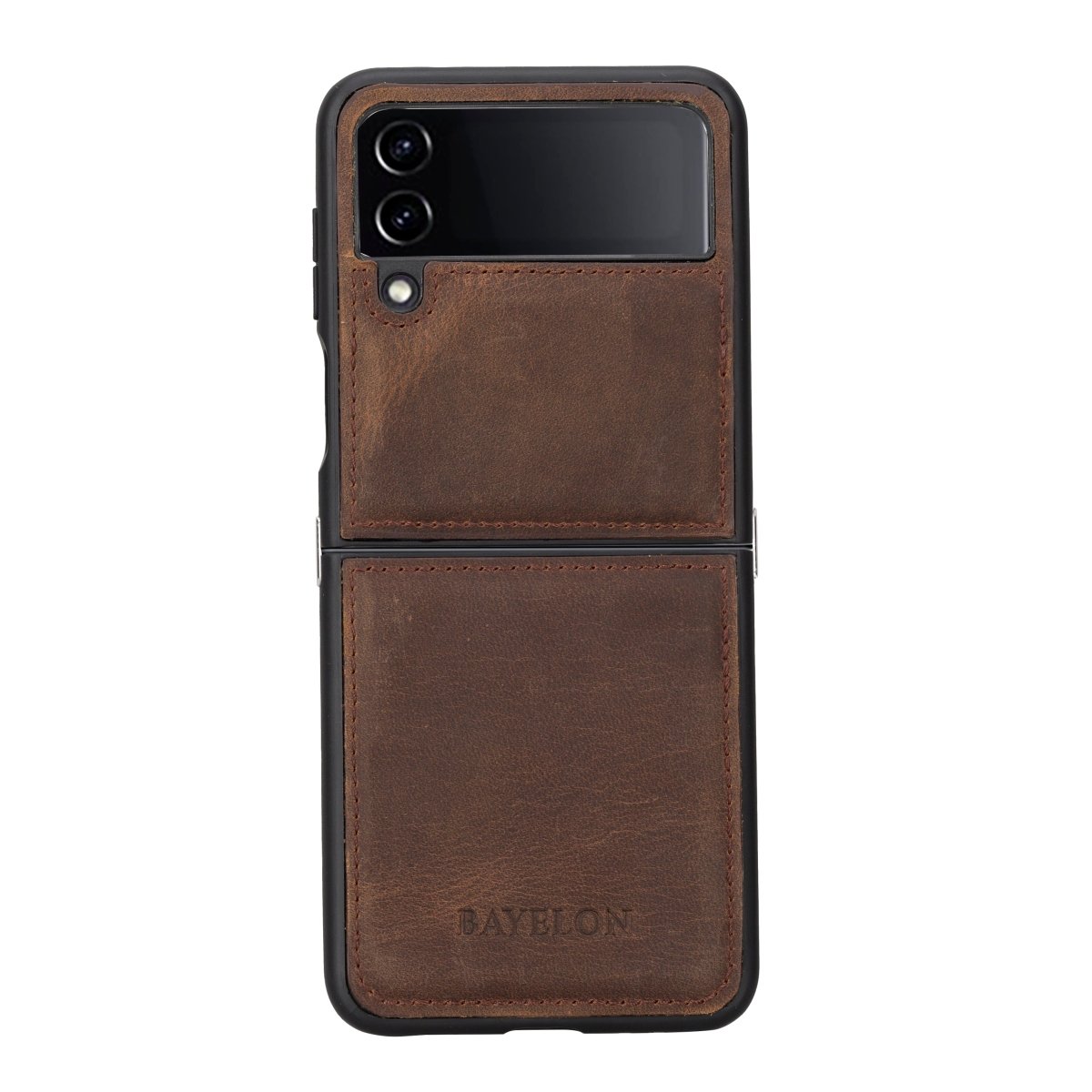
Shopping for a leather iPhone case means wading through confusing terms like “genuine leather,” “full-grain,” “MagSafe compatible,” and “RFID blocking,” most of which are used loosely or misleadingly by sellers. This guide defines every term you’ll encounter, explains what actually matters for quality and durability, and gives you a concrete checklist so you can buy with confidence. If you want to skip the education and start browsing, explore full-grain leather cases built with the materials this guide recommends.
Why Buying a Leather iPhone Case Is Harder Than It Should Be
Apple used to make this decision simple. You walked into a store, picked a color, and trusted the Apple logo. That changed in 2023, when Apple stopped manufacturing genuine leather iPhone cases entirely. The replacement, FineWoven, was widely panned. Practitioners on SlickDeals reported that FineWoven cases were “HORRIBLE and NOT a good replacement for leather cases,” with some users noticing permanent dirt and metal particle embedding after just days of use.
Now the leather case market belongs to third-party brands, and that means you’re responsible for evaluating quality yourself. The problem is that product listings are packed with jargon designed to sound premium without meaning much. “Genuine leather” sounds great until you learn it’s the lowest grade of real leather. “RFID blocking” sounds essential until you realize leather alone blocks nothing.
This glossary exists to fix that. Every term is defined, explained in context, and tied to a practical buying decision. Consider it your cheat sheet for tips when buying a leather iPhone case.
Leather Grade Terms: The Most Important Thing to Understand
The single biggest source of buyer confusion is leather grading. Every term below appears on product listings, and the differences between them determine whether your case lasts three months or three years.
Full-Grain Leather
The highest grade. Full-grain means the cowhide’s surface hasn’t been sanded, buffed, or altered in any way. It retains the hide’s original texture, including natural markings and slight imperfections. Those imperfections are a feature, not a flaw. They’re proof the leather is authentic and unprocessed.
What this means for your case: Maximum durability, a rich hand feel that improves over time, and the ability to develop a genuine patina. Full-grain leather cases typically measure 2-3mm thick while maintaining flexibility, compared to rigid plastic cases at 1.5mm that crack under stress. If you’re shopping for a leather iPhone case, this is the grade to prioritize.
For a deeper comparison, this full-grain vs. top-grain guide walks through the differences in detail.
Top-Grain Leather
Same starting point as full-grain (the outermost layer of the hide) but with one key difference: the surface is lightly sanded or buffed to remove natural imperfections. The result is a smoother, more uniform appearance.
What this means for your case: Still a real leather product and still decent quality. You’ll get a consistent look with fewer natural markings. The trade-off is reduced durability compared to full-grain and a significantly weaker patina. Top-grain leather may darken and show surface wear, but it won’t develop the deep, rich character that makes full-grain cases distinctive.
Genuine Leather
This is the term that trips up the most buyers. “Genuine” sounds like it should mean high quality. It doesn’t. It simply means the product is made from some part of the hide, typically a lower layer that’s been sanded down or thinned. In industry terms, “genuine” means “technically leather.”
What this means for your case: Expect a product that looks fine initially but degrades faster, feels less supple, and won’t develop patina. It’s a step above synthetic but a significant step below full-grain or top-grain. Many budget “leather” cases on Amazon use this grade. If a listing says “genuine leather” without specifying full-grain or top-grain, be cautious.
Bonded Leather
Scraps and fibers from various leather remnants, ground up and bonded together with adhesives, then coated with a polyurethane surface. Think of it as the particle board of leather.
What this means for your case: It will deteriorate quickly, won’t develop patina, and often peels or flakes within months. Avoid it for a phone case that you’ll handle hundreds of times a day.
PU / Faux / Vegan Leather
A synthetic material made by applying polyurethane to a fabric base. It’s not fake in a deceptive sense when labeled honestly, as it’s intentionally engineered to replicate leather’s look without animal hide. Some brands call it “vegan leather” for marketing purposes.
What this means for your case: Affordable and available in colors real leather can’t match. But surface scuffs accumulate visibly after roughly 4 to 6 months of daily use. Real leather cases can last 2-3 years with basic care. If you’re reading tips for buying a leather iPhone case, recognize that PU is not leather, and price it accordingly. An $8 case marketed as “leather” is almost certainly PU.
If sustainability matters to you, there are thoughtful approaches to eco-friendly leather production worth understanding.
Crazy Horse Leather
A style of full-grain leather finished with a special wax coating. The signature trait: light scratches appear easily but can be rubbed out with your thumb, causing the wax to redistribute and “heal” the mark.
What this means for your case: A rugged, vintage aesthetic that’s forgiving of daily scratches. It develops a distinctive patina and works well for people who want a case that looks lived-in rather than pristine.
Napa Leather
Soft, supple, and typically chrome-tanned. Napa leather is known for a smooth, uniform finish and a luxurious feel. It’s commonly used in high-end accessories and automotive interiors.
What this means for your case: A polished look and immediately pleasant hand feel. Less of the rugged character you’d get from vegetable-tanned or crazy horse leathers, but excellent for someone who wants refinement over rustic charm.
Vegetable-Tanned (Veg-Tan) Leather
Leather processed using plant-derived tannins (bark, leaves, fruit) rather than chemical agents. It starts stiffer than chrome-tanned leather and takes longer to break in.
What this means for your case: The best patina development of any tanning method. Veg-tan cases start firm and lighten or darken beautifully over months. The trade-off is that they’re more sensitive to water and staining, especially early on.
Case Style Terms: Picking the Right Form Factor
Beyond leather quality, the shape and function of your case matter enormously. Here are the styles you’ll encounter when shopping.
Shell / Back Cover
The simplest form factor. Covers the back and sides of the phone, leaves the screen exposed. Minimal added bulk.
Best for: People who want leather aesthetics and basic protection without carrying cards or worrying about screen coverage.
Folio / Flip Case
A book-style case that covers both the screen and back, with a front flap that opens. Most folio cases include interior card slots (typically 4 to 6 cards) and sometimes a cash pocket.
Best for: Wallet consolidation. If you want to carry your phone, cards, and a folded bill in one piece, a folio is the classic answer. The downside is bulk, and you have to flip the cover open every time you check your phone.
Detachable / 2-in-1 Wallet Case
A slim inner shell that magnetically docks into an outer wallet or folio. You can use the full wallet during the day and snap out the slim shell when you want to go minimal, like at the gym or a concert.
What to watch for: The magnetic connection has limits. Overstuffing card slots loosens the leather over time and can make cards rattle. Most detachable systems work best with 2 to 3 cards rather than the maximum advertised capacity. See a detachable wallet case to understand the form factor firsthand.
Crossbody Case
A leather case with an attached or detachable shoulder strap, allowing hands-free carry. The strap is usually adjustable.
Best for: Travel, errands, parents juggling kids, anyone who wants their phone accessible without occupying a hand or a pocket.
Trifold Wallet Case
A three-panel design that opens wider than a standard folio, providing more card capacity and a broader kickstand surface when folded.
Best for: People who carry more cards (6+) and want a case that doubles as a media viewing stand.
Kickstand Case
Any case with an integrated stand, either a fold-out arm or a wallet flap that props the phone at an angle for video calls, recipes, or media viewing.
Feature and Technology Terms: What the Specs Actually Mean
Product listings for leather iPhone cases increasingly include technical terms. Here’s what they mean and which ones matter.
MagSafe
Apple’s magnetic alignment system, built into iPhones since the iPhone 12. A ring of magnets inside the phone snaps to compatible accessories for charging, mounting, and attaching wallet modules.
Why it matters for leather cases: A leather case must have its own embedded magnets aligned precisely with the phone’s MagSafe ring, or charging and accessories won’t attach properly. The critical tip: avoid cases that only state “MagSafe compatible” without specifying magnet count, strength, or charging wattage verification. Reputable brands publish magnet alignment diagrams or FCC filings. Vague compatibility claims are a red flag.
Practitioners on MacRumors forums have consistently named Nomad, Mujjo, and Bullstrap as credible alternatives to Apple’s discontinued leather cases, with MagSafe performance being a primary evaluation criterion.
For more on how magnetic charging works through leather, the Qi2 compatibility guide covers the technical details.
Qi2
The universal wireless charging standard that adopted MagSafe’s magnetic alignment system. Starting in 2024, Android phones began supporting Qi2, making magnetic cases relevant beyond the iPhone ecosystem.
What this means for your case: If you switch between iPhone and Android, or use non-Apple chargers, Qi2 compatibility ensures your case works across the broader charging ecosystem. Most MagSafe cases are Qi2 compatible, but check the listing to confirm.
RFID Blocking
A conductive lining embedded in wallet cases that prevents radio frequency identification scanners from reading your credit cards or ID through the case.
The reality check most guides skip: Leather alone offers zero RFID protection. Leather’s organic fibers don’t interfere with radio waves at all. For a wallet case to actually block RFID, it needs a dedicated metallic or conductive lining. If a listing mentions RFID blocking, look for specific mention of the blocking material. If it just says “leather RFID wallet” without details, it probably doesn’t block anything.
One additional nuance: while there’s no direct evidence that RFID-blocking materials drain battery life, poorly designed metal components in cheap cases can weaken your cellular signal.
Raised Edge / Lip Protection
The case edges extend slightly beyond the phone’s screen and camera bump, so when you place the phone face-down on a table, the glass and lens don’t make contact with the surface.
What to look for: Raised edges of at least 1mm above the screen and camera module. This is basic protection that every quality case should provide, leather or otherwise.
TPU Bumper
Thermoplastic polyurethane, a flexible material used in the shock-absorbing edges of phone cases. It’s rubbery enough to absorb impact but firm enough to hold its shape.
What this means for your case: A leather case with a TPU bumper offers better drop protection than leather alone. Many premium leather cases use a dual-layer approach, combining a rigid polycarbonate core with a TPU bumper. This gives you the look of leather with drop performance comparable to protective cases.
If drop protection is a priority, this guide to iPhone drop protection covers what to look for.
Polycarbonate (PC) Core
A rigid plastic inner frame that provides structural integrity to the case. It sits between the leather exterior and the phone.
What this means for your case: Cases with a PC core resist bending and flexing under pressure. Without one, a leather case is essentially just a leather sleeve that can warp. Look for “dual-layer” or “PC + TPU” construction in the specs.
Microfiber Lining
A soft synthetic fabric on the interior of the case that sits directly against your phone’s back glass.
What this means for your case: It prevents micro-scratches on the phone itself and adds a small cushion against impacts. Microfiber also absorbs minor moisture. If a leather case has a bare interior, your phone’s glass will eventually show wear marks from contact with the case’s inner structure.
Quality and Authenticity Terms: Spotting the Real Thing
These terms help you evaluate craftsmanship and avoid fakes when shopping online.
Patina
The gradual change in color, sheen, and texture that occurs as full-grain leather ages through exposure to hand oils, sunlight, and friction. Patina is often described as leather “telling its story.” Initial changes appear within 1 to 3 months of daily use, and full development takes 6 to 12 months or longer.
The key distinction: Only full-grain leather develops a true, deep patina. Top-grain may darken slightly, but its sanded surface prevents the same character from forming. Bonded leather and PU don’t develop patina at all, and they’ll crack or peel before aging gracefully.
Each case develops a unique patina within roughly 90 to 180 days of daily use, darkening and softening in areas where your hands naturally grip. No two cases look the same after a year. This is one of the most compelling reasons to choose full-grain leather for phone cases.
Grain Pattern
The surface texture visible on leather. Real leather has an irregular, organic grain pattern because it comes from animal hide that naturally varies in texture. Synthetic materials have a uniform, repeating pattern created by embossing machines.
Quick authenticity test: If the texture across the entire case looks perfectly consistent, it’s probably not real leather. Natural grain patterns have slight variations in pore size and spacing.
Hand-Stitched vs. Machine-Stitched
Hand stitching typically uses a saddle stitch technique where two needles pass through the same holes from opposite sides, creating a stronger seam. If one stitch breaks, the rest hold. Machine stitching uses a single-thread lock stitch, where one broken point can cause the seam to unravel.
What to look for: Hand-stitched cases cost more but hold up better over years of use. On a machine-stitched case, check for even stitch spacing and clean thread ends. Sloppy stitching on any leather product is a sign of rushed manufacturing.
Tanning
The process of converting raw animal hide into usable leather. The two primary methods are:
Chrome tanning: Uses chromium salts, faster and cheaper, produces softer leather with consistent color. About 80% of the world’s leather is chrome-tanned. Napa leather is typically chrome-tanned.
Vegetable tanning: Uses natural plant materials, takes weeks instead of hours, produces firmer leather that develops superior patina. More expensive and more environmentally demanding, but considered the artisanal standard.
How to Spot Fake Leather Online: Red Flags That Save You Money
These tips for buying a leather iPhone case online will help you filter out misleading listings before you spend money.
Vague grade language. If a listing says “premium material,” “leather-like,” or “luxury leather” without specifying full-grain or top-grain, the seller is almost certainly selling synthetic or bonded material with clever marketing terms. Any brand proud of its leather grade will name it explicitly.
Luxury pricing doesn’t match quality claims. But the opposite is even more telling. A case advertised as “genuine leather” for $8 to $15 is a dead giveaway. Real leather costs more to acquire, cut, and finish. Full-grain leather cases from reputable brands typically start around $30 to $40 and go up from there.
Uniform texture in product photos. Real leather has natural variation. If every photo shows perfectly even grain with no character marks, it’s likely embossed PU. Look for product images that show natural imperfections.
No mention of smell or aging. Real leather smells rich and earthy. Fake leather has a chemical or plastic odor. Sellers of real leather often mention the scent and patina development in their descriptions because those are selling points. Silence on both topics is suspicious.
Reviews that mention the experience. Customer reviews are your best friend. Look for reviewers mentioning real leather smell, developing patina, or the feel softening over time. If reviews mostly note peeling, cracking, or chemical smell within weeks, you’re looking at synthetic. To learn more about evaluating leather authenticity, this guide to spotting genuine leather is a helpful resource.
The Buying Decision Checklist
Before adding any leather iPhone case to your cart, run through these questions. They distill all the tips for buying a leather iPhone case discussed above into quick pass/fail criteria.
1. Does the listing specify the exact leather grade?
Full-grain, top-grain, or at minimum the tanning method (vegetable-tanned, chrome-tanned). If it just says “leather” or “genuine leather” without further detail, that’s not enough information.
2. Is MagSafe or Qi2 compatibility confirmed with specifics?
Look for magnet count, alignment details, or confirmed charging wattage. “MagSafe compatible” alone is too vague.
3. Does the price make sense for real leather?
Real full-grain leather cases generally cost $30 and up. Below that, you’re almost certainly getting PU or bonded leather dressed up with marketing language.
4. Is there a return policy and warranty?
Any brand confident in its product will back it with a clear return window and a defect warranty. Check what a manufacturer’s warranty covers to understand what’s standard.
5. Do reviews mention patina, smell, or aging?
These are the telltale signs of real leather performance over time. Their absence in reviews should give you pause.
6. Is the card capacity realistic for the case style?
Slim wallet cases hold 1 to 3 cards and add roughly 2 to 3mm of thickness. Folio cases hold 4 to 6 cards. Any listing promising 10+ cards in a slim case is exaggerating.
7. Does the case have protective construction?
Look for TPU bumpers, a polycarbonate core, raised edges, and microfiber lining. Leather alone, without an internal structure, won’t protect your phone from drops.
Care Terms: Keeping Your Leather Case Looking Right
Buying the right case is half the equation. Caring for it correctly is the other half. These terms and practices will help your investment last.
Conditioning
Applying a thin coat of leather balm or cream to keep the leather supple and prevent it from drying out or cracking. Use a product specifically designed for leather, not household lotions or oils.
How often: Once a month is the general recommendation for cases that see daily use. A small amount goes a long way.
Over-Conditioning
Applying too much product too frequently, which oversaturates the leather and can actually dull the natural patina you’re trying to develop. It can also make the surface feel sticky or attract more dirt.
The rule: Less is more. If the leather still feels supple, skip the conditioning that month. The goal is to support natural aging, not override it.
Cleaning Cadence
A simple routine that protects your case without chemicals:
Weekly: Wipe with a dry, soft microfiber cloth to remove dust and skin oils.
Monthly: Use a slightly damp cloth (water only). No soap, alcohol, or household cleaners. These strip natural oils from leather and cause permanent damage.
For a complete walkthrough, this leather case care guide covers each step.
Air Drying
If your case gets wet, let it dry naturally at room temperature. Never use a hair dryer, heater, or direct sunlight to speed the process. Heat causes leather to shrink, crack, and become brittle. Stuffing the case opening with a dry cloth can help absorb interior moisture.
Why These Tips for Buying a Leather iPhone Case Matter More Now
With Apple out of the leather case business, the market has flooded with options ranging from exceptional to terrible. The brands that filled the gap, like Nomad, Mujjo, Bullstrap, and others, make genuinely good products. But so do dozens of no-name sellers using “premium leather” as marketing rather than material description.
Understanding the terms in this glossary puts you in control. You’ll know that “genuine leather” is the floor, not the ceiling. You’ll know that RFID blocking requires more than leather. You’ll know that a case promising MagSafe compatibility needs to prove it with specifics. And you’ll know that the patina on your case after a year is a badge of quality, not a defect.
Browse the full Bayelon leather collection to see how these terms translate into actual products, from detachable wallet cases to crossbody designs, all built with full-grain leather.
Frequently Asked Questions
What is the best leather grade for an iPhone case?
Full-grain leather is the best grade for a phone case. It’s the most durable, develops a natural patina over time, and retains the hide’s original strength because the surface hasn’t been sanded or altered. If you see “full-grain” specified on a listing, that’s the top tier.
How can I tell if a leather iPhone case is real or fake?
Check for three things: natural grain variation (real leather has irregular texture, fakes are uniform), an earthy leather smell rather than a chemical odor, and a price that makes sense (real full-grain cases start around $30+). Reviews mentioning patina development and softening over time are strong authenticity signals.
Does “genuine leather” mean high quality?
No. Despite the name, “genuine leather” is the lowest grade of real leather. It means the product is technically made from animal hide, but it’s been heavily processed, sanded, and thinned. For a phone case, look for “full-grain” or “top-grain” instead.
Do leather iPhone cases work with MagSafe?
They can, but only if the case has embedded magnets aligned with the iPhone’s MagSafe ring. Not all cases that claim MagSafe compatibility actually perform well. Look for specific magnet count or alignment details in the listing. Vague “MagSafe compatible” claims without specifics should be treated with skepticism.
How long does a leather iPhone case last compared to a synthetic one?
Full-grain leather cases typically last 2 to 3 years with basic care, developing a richer look over time. PU (faux) leather cases begin showing visible scuffs after about 4 to 6 months of daily use and generally degrade much faster. The upfront cost difference is offset by significantly longer lifespan.
Does leather block RFID?
No. Leather is an organic material that doesn’t interfere with radio waves at all. For a wallet case to offer RFID blocking, it must contain a dedicated conductive or metallic lining. If a listing claims RFID protection, look for mention of the specific blocking material used.
How do I care for a leather iPhone case?
Wipe it weekly with a dry microfiber cloth and monthly with a slightly damp cloth (water only, no soap or alcohol). Apply leather conditioner or balm about once a month, using a small amount. Avoid over-conditioning, which can dull patina development. If the case gets wet, let it air dry naturally. Never use heat.
Why did Apple stop making leather iPhone cases?
Apple discontinued leather cases starting with the iPhone 15 lineup in 2023, replacing them with FineWoven, a fabric-based material. The move was positioned as an environmental decision. However, FineWoven was widely criticized for poor durability, visible scratching, and dirt accumulation. This has pushed many former Apple leather case buyers toward third-party brands, making it more important than ever to understand leather grades and quality when shopping.


Leave a comment
This site is protected by hCaptcha and the hCaptcha Privacy Policy and Terms of Service apply.