

TL;DR
Full grain leather is widely considered the best leather you can buy because its surface is completely unaltered, preserving the hide’s strongest fibers. This gives it measurable advantages in durability (10 to 20+ years of use), abrasion resistance (100,000+ rubs before failure), and the ability to develop a rich patina over time. While “leather grades” aren’t an official industry system, the structural superiority of full grain is real and backed by data.
Full grain leather comes from the outermost layer of an animal hide, where the grain pattern remains completely intact. No sanding, no buffing, no artificial coating to hide imperfections. What you see is the natural surface of the skin, with all its texture, pore structure, and character marks preserved. This is the fundamental reason full grain is better leather than every other type on the market.
That tight, unaltered fiber structure is what makes the difference. It’s the densest part of the hide, and because nothing has been removed, it retains the properties that kept the animal protected during its life: water resistance, breathability, and exceptional strength.
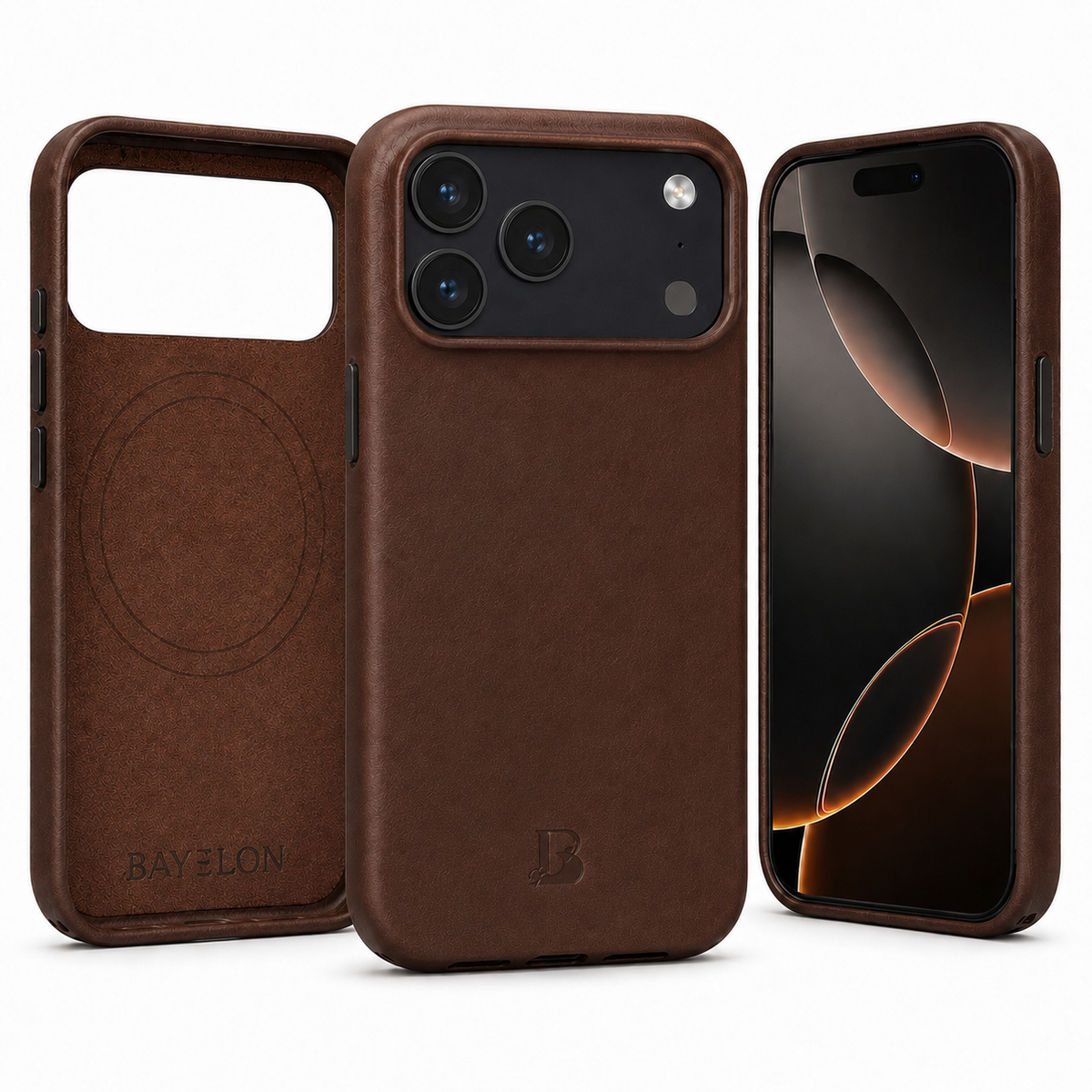
Browse full-grain leather iPhone cases built around this material.
But “better” deserves more than a one-word verdict. Here’s exactly what separates full grain from everything else, what the numbers actually say, and where the common oversimplifications fall apart.
Why Full Grain Leather Is Considered the Best
Strength and Durability
The unprocessed grain surface contains the tightest fiber network in the entire hide. This translates directly into measurable performance. Full grain leather typically exhibits tensile strengths above 25 MPa and can stretch 20 to 30 percent before deforming. In practical terms, that means it resists tearing, holds its shape under stress, and lasts far longer than processed alternatives.
How much longer? High-quality full grain leather products routinely last 10 to 20+ years with basic care. Compare that to PU or PVC synthetics, which show significant wear, cracking, or peeling within 2 to 5 years.
Abrasion Resistance
This is where the data gets striking. In Martindale abrasion testing (the industry standard for measuring surface wear), a quality full grain leather can withstand 100,000+ rubs with no material failure. Standard PU vegan leathers start showing serious degradation at just 15,000 to 20,000 rubs. That’s roughly a 5x to 7x difference in surface durability.
Patina Development
Full grain leather doesn’t just survive aging. It improves. As oils from your hands, sunlight, and everyday friction interact with the surface, the leather develops a patina, a warm, burnished finish that deepens in color and smooths in texture. This is one of the most valued characteristics in premium leather goods. Other grades can’t replicate it because their surfaces have been sanded away or sealed with coatings.
Learn more about how leather develops a patina and what to expect over time.
Breathability and Water Resistance
Because the pore structure hasn’t been removed or filled with synthetic coatings, full grain leather breathes. Moisture escapes rather than getting trapped, which matters for anything that sits against your skin (watch bands, phone cases in your hand, wallets in your back pocket).
The water resistance angle is less obvious but equally important. The original oils in the hide’s surface layer are still present. These natural oils were what made the animal’s skin weather-resistant in the first place. Sanding or buffing (as done for top grain or genuine leather) strips those oils away.
Full Grain vs. Other Leather Types
The terms “full grain,” “top grain,” “genuine leather,” and “bonded leather” get thrown around in product listings as if they’re interchangeable. They’re not. Here’s how they actually compare.
| Feature | Full Grain | Top Grain | Genuine Leather | PU / Bonded |
|---|---|---|---|---|
| Surface | Natural grain, unaltered | Sanded and buffed for uniformity | Heavily processed, often embossed | Synthetic coating on fabric base |
| Durability | 10-20+ years | Several years | Cracks and delaminates relatively fast | 2-5 years before peeling |
| Patina | Develops rich patina | Limited (coatings block it) | None | None |
| Breathability | Excellent (pores intact) | Reduced by finish coats | Poor | None |
| Water Resistance | Good (natural oils retained) | Moderate (depends on coating) | Low | Variable |
| Stain Resistance | Lower (porous surface) | Higher (sealed surface) | Variable | Initially high |
| Price | Highest | Mid to high | Budget | Cheapest |
A few points worth calling out.
Top grain is full grain’s closest competitor. It starts as the same layer of hide but gets sanded down to remove imperfections, then sealed with a finish coat. That gives it a more uniform look and better stain resistance, but the tradeoff is reduced breathability and almost no patina development. For a deeper breakdown, see our full grain and top grain comparison guide.
“Genuine leather” is the most misleading term in the industry. It sounds like a quality claim, but it’s actually the lowest grade of real leather. One Walmart reviewer put it bluntly: “Be aware this is not full grain leather, rather a 100% genuine leather. There is a difference.” If a product just says “genuine leather” without specifying the grain type, treat it as a red flag.
PU and bonded leather aren’t really leather at all. Bonded leather uses ground-up leather scraps held together with adhesive, while PU is pure synthetic. Both peel, crack, and end up in a landfill within a few years.
The Nuance: Why Grain Alone Isn’t the Full Story
Here’s where most leather guides get lazy, and where being honest builds more trust than repeating the same hierarchy chart.
Practitioners on Reddit’s r/BuyItForLife community point out that the full grain / top grain / genuine ranking is not used by any government or leather trade group. It’s not an official grading system. The terms describe where on the hide the leather comes from and how much processing it received, but they don’t account for the quality of the hide itself or (crucially) how it was tanned.
A leather expert featured in Popular Mechanics made the same point: the commonly shared grade pyramid is a simplification that the industry itself doesn’t formally use.
So does that mean full grain is marketing fluff? No. The intact fiber structure delivers real, measurable advantages in strength, longevity, and aging behavior. But grain type alone doesn’t tell the whole story.
Tanning Method Matters Too
Two hides can both be “full grain” and perform very differently depending on how they were tanned.
Vegetable tanning uses natural tannins from tree bark and plant materials. It’s slower and more expensive, but it preserves the hide’s natural fibers more completely and produces leather that develops the deepest patina. Vegetable tanning is the traditional method most commonly paired with full grain leather.
Chrome tanning uses chromium salts and is faster and cheaper. It produces softer, thinner leather, but the chemical process can weaken fiber integrity over time. Chrome tanning is what allows hides to be split into thinner layers, which is how suede and many lower-grade leathers are produced.
The premium combination is vegetable-tanned full grain leather. With proper care, it outlasts chrome-tanned leather because the natural tanning process preserves fiber structure more completely.
How Full Grain Leather Performs in Phone Cases and Accessories
Most articles about full grain leather talk about boots, bags, and furniture. But the material performs remarkably well in everyday carry items like phone cases, watch bands, and wallets, where the differences between full grain and cheaper alternatives show up fast.
Patina Timeline on Phone Cases
Because your phone case is in your hands constantly, the patina develops quickly compared to a bag or belt:
- Months 1 to 3: The leather softens and you’ll notice a micro-shine forming where your fingers grip most. Edges start to mellow and feel more comfortable.
- Months 4 to 6: Color deepens noticeably. The texture evens out and the whole case feels smoother, more personal.
Full grain leather also tends to “self-heal” from minor surface scratches. Small marks soften with the warmth of your hands and the natural motion of everyday use, blending into the patina rather than accumulating as visible damage.
The PU Alternative Falls Apart (Literally)
Most TPU and PU phone cases start to yellow within six months from sunlight and skin oils. They accumulate micro-scratches that don’t fade, become sticky or brittle after 12 to 18 months, and end up replaced. A full grain leather case, by contrast, is just hitting its stride at the one-year mark.
One real buyer summed it up in a product review: “Full grain leather is getting harder and harder to find, so we turned to online shopping, and weren’t disappointed. The bonded leather falls apart so fast.”
If you’re comparing types of phone cases, the material matters as much as the form factor.
How to Spot Real Full Grain When Shopping Online
Consumer confusion around leather terms is a real problem. Listings use phrases like “premium material,” “leather-like,” and “PU leather” without clear definitions. If a brand doesn’t specify full grain or top grain, they’re almost certainly selling synthetic or bonded materials with clever marketing terms.
For guidance on identifying authentic material, our guide on how to tell if leather is full grain or faux walks through the practical checks.
Here are the quick tells:
- Edges: Real full grain shows consistent, fibrous texture at the cut edge, not neat layers of glued material.
- Surface variation: The grain pattern should have slight irregularities. If the surface looks perfectly uniform, it’s been sanded or embossed.
- Smell: Earthy, warm, slightly sweet. Not chemical or plasticky.
- Price: Full grain leather isn’t cheap to produce. If the price seems too good to be true for “full grain,” it probably is.
Explore full-grain leather wallets and card holders to see the material up close.
Disadvantages Worth Knowing
Full grain is better leather by most objective measures, but it’s not perfect for every situation. Honest coverage matters here.
Higher cost. Full grain is the most expensive leather grade. The raw material costs more, the tanning takes longer (especially vegetable tanning), and the waste rate is higher because imperfect hides can’t be masked with sanding.
Visible imperfections. Scars, insect bites, wrinkles, and natural grain variations are all part of the deal. Some people find these marks beautiful (they’re proof of authenticity). Others prefer the uniform look of top grain. Neither preference is wrong.
Initial stiffness. Vegetable-tanned full grain can feel quite rigid out of the box. There’s a break-in period, sometimes a few weeks, before the leather softens and conforms. This is temporary, and the leather only gets better after it.
Weight and thickness. Full grain is typically thicker than other grades because it’s the complete top layer of the hide. For phone cases and slim accessories, manufacturers need to carefully select the right weight of leather to keep things pocket-friendly.
Scratch sensitivity. The porous, uncoated surface picks up scratches more readily than sealed top grain. The upside is that most scratches blend into the patina over time. The downside is that the first scratch on a brand-new case can feel like a gut punch.
FAQ
Is full grain leather actually the best leather?
By measurable criteria (tensile strength, abrasion resistance, longevity, and patina development), full grain outperforms every other type. The grain hierarchy isn’t an official industry standard, but the structural advantages of an unaltered hide surface are real and well-documented. Full grain leather routinely lasts 10 to 20+ years, compared to 2 to 5 years for synthetics.
Is full grain better than genuine leather?
Significantly. “Genuine leather” is the lowest grade of real leather. It’s typically made from inner hide layers that have been heavily processed, sanded, and often embossed to look like higher-quality leather. It lacks the fiber density, breathability, and aging characteristics that make full grain superior.
Does full grain leather scratch easily?
More easily than coated top grain, yes. The unfinished surface is porous and will show scratches initially. However, with regular handling, those scratches soften and blend into the developing patina. Many owners consider this part of full grain’s appeal rather than a flaw.
Is full grain leather waterproof?
Not waterproof, but naturally water-resistant. The original oils in the hide’s surface layer help repel moisture. It can handle light rain and occasional spills, but prolonged exposure to water without treatment can cause staining or damage. A quality leather conditioner helps maintain this resistance.
How long does full grain leather last?
With proper care, 10 to 20+ years is a realistic expectation. Some full grain items last generations. The key factors are the tanning method (vegetable-tanned lasts longest), the thickness of the leather, and how consistently you clean and condition it.
Why is full grain leather so expensive?
Three reasons: the raw material (only the top layer of select hides qualifies), the tanning process (vegetable tanning takes weeks, not hours), and the waste rate (natural imperfections can’t be hidden, so more hides get rejected). You’re paying for durability that outlasts cheaper alternatives many times over.
Can you tell full grain from fake leather by touch?
Usually. Full grain feels warm and slightly textured, with subtle grain irregularities. Synthetic leather feels cooler, smoother, and more uniform. Over time, the difference becomes even more obvious: full grain softens and develops character, while synthetics stiffen, crack, or peel.
Full grain leather costs more upfront and asks for a little patience during the break-in period. In return, it gives you a material that gets better with every month of use, backed by measurable advantages in strength and longevity that no synthetic or lower-grade leather can match.
Shop full-grain leather Apple Watch bands and other handcrafted accessories.


Leave a comment
This site is protected by hCaptcha and the hCaptcha Privacy Policy and Terms of Service apply.