

TL;DR
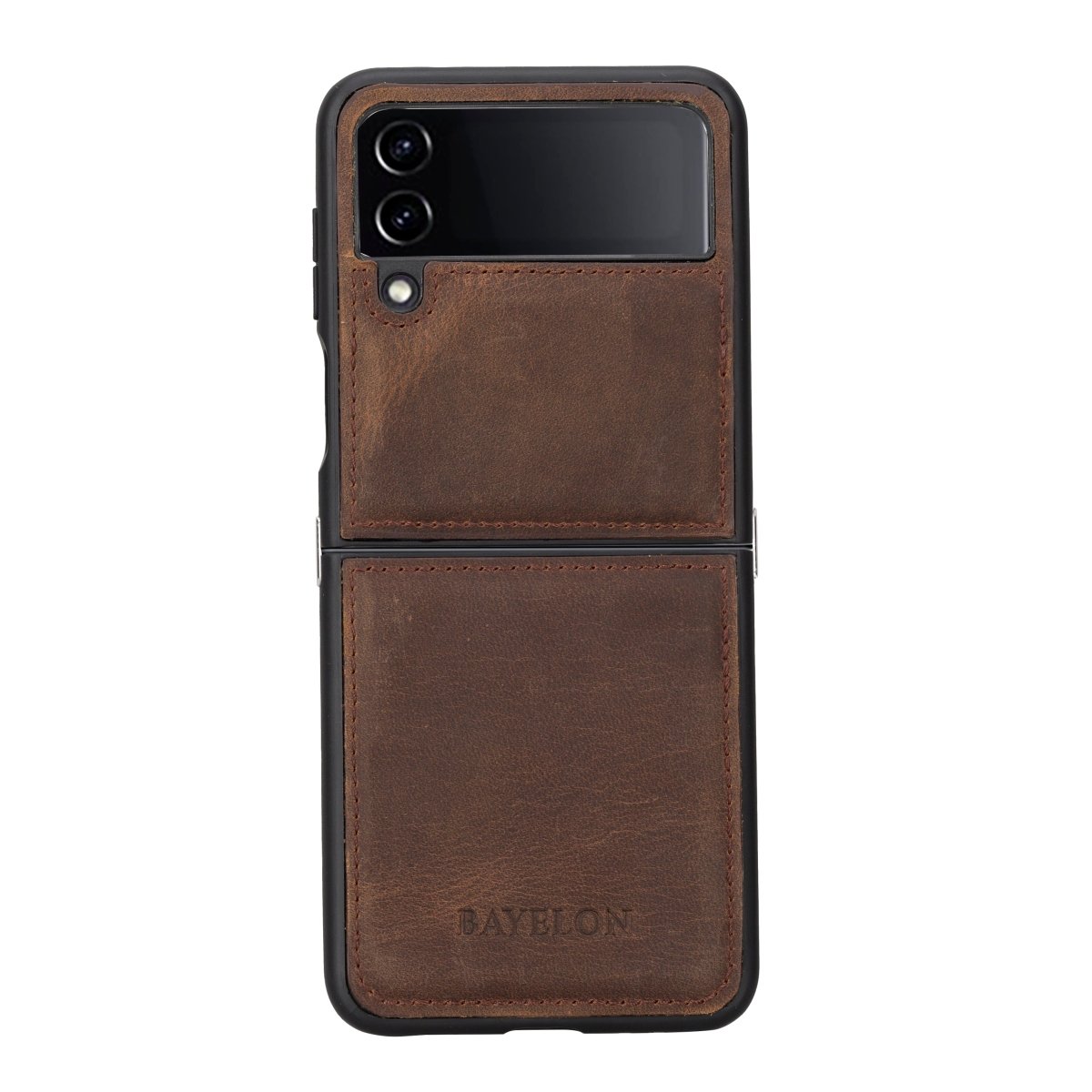
Leather is one of the most durable, versatile, and aesthetically rewarding materials you can choose for everyday accessories. Full-grain leather lasts 10 to 20+ years, develops a unique patina over time, breathes naturally to regulate temperature, and costs less per year than cheaper alternatives that need constant replacing. It’s also a byproduct of the meat industry, meaning it prevents millions of tons of waste from hitting landfills annually.
Leather is animal hide that has been tanned and processed into a flexible, durable sheet material. It’s one of the oldest manufactured goods in human history, and for good reason. The benefits of leather extend far beyond its classic look. From the phone case in your pocket to the watch band on your wrist, leather consistently outperforms synthetic alternatives in ways that matter for daily use.
This glossary breaks down each benefit with a clear definition, supporting evidence, and practical examples, particularly for phone cases, wallets, and accessories where the material choice affects your experience every single day.
Browse full-grain leather iPhone cases to see these benefits in action.
Durability
Definition: Leather’s structural resistance to wear, tear, and daily stress over extended periods.
This is the benefit people think of first, and it holds up to scrutiny. High-quality full-grain leather has a typical lifespan of 10 to 20+ years. With attentive care, a full-grain handbag can push past 30 years. Compare that to vegan leather, which averages 2 to 5 years before it starts cracking or peeling, depending on whether it’s PU, PVC, or plant-based.
For phone cases specifically, leather cases last approximately 2 to 4 years with proper care. That comfortably outlasts most phone upgrade cycles, which means a good leather case can serve you through the entire life of your device, and possibly into the next one.
Silicone and plastic cases tell a different story. They yellow, crack, or lose their shape within 6 to 12 months of daily use. Practitioners on Reddit who’ve compared materials consistently report that silicone cases look “beat up” after a few months while their leather cases only look better.
The secret is in the fiber structure. Leather is composed of randomly oriented collagen fibers that distribute stress in every direction rather than along a single weak point. There’s no fixed tear path, which is why leather resists ripping in ways woven or molded materials can’t match.
If you want to understand how leather grades affect this durability, our full-grain vs. top-grain comparison explains the differences clearly.
Patina
Definition: The natural color deepening and surface sheen that develops on leather through handling, light exposure, and skin oils over time.
Patina is what separates leather from every other material used in accessories. Only full-grain and top-grain leathers develop true patina. Lower grades (genuine, bonded) skip this stage entirely and go straight to cracking and peeling.
Here’s what makes patina remarkable: a full-grain leather wallet made from the same hide batch as five others will each develop its own unique fingerprint based on how it’s used. The areas you touch most darken first. Sun exposure shifts the tone. Oils from your hands create subtle gradients. No two pieces age identically, and synthetics can’t replicate this at all.
One user describing their experience with a leather phone case put it well: “It self-heals. The more I handled it the more the oils from my skin darkened and smoothed it, and scratches disappeared.” That same user noted the case started out “quite rigid and slick” but became “grippier and soft” within two weeks. This kind of real-world aging is the opposite of degradation. It’s improvement.
Plastic and silicone scratches are permanent. Leather scratches often disappear as oils redistribute across the surface. This self-healing quality means your leather case or wallet actually looks better at month six than it did on day one.
For a deeper look at how this works and what to expect month by month, read our guide on leather that develops a patina.
Breathability and Temperature Regulation
Definition: Leather’s natural porosity allows air and moisture vapor to pass through the material rather than being trapped against a surface.
This benefit matters more than most people realize, especially for phone cases and watch bands. Full-grain and top-grain leathers are made from the outermost layer of the animal hide, which served as the animal’s own temperature regulation system. That function carries over into the finished material.
Leather contains countless microscopic fibers per square inch that conduct and dissipate heat and moisture. The material also holds a significant amount of air within its fiber structure, and since air is a poor conductor of heat, leather acts as an effective insulator and heat barrier simultaneously.
For phone cases, this means leather doesn’t trap heat the way plastic shells do. If you fast-charge your phone or run intensive apps, a plastic case acts like a blanket, holding warmth against the device. Leather allows that heat to dissipate naturally. Leather cases do not cause phones to overheat, provided they’re made from genuine natural hide rather than coated synthetics.
For watch bands, breathability prevents the sweat buildup and skin irritation that silicone straps are known for. Leather adjusts to your body temperature, staying cool in summer and warm in winter.
If you use wireless charging, you might wonder how case material affects compatibility. Our Qi-enabled phone guide covers what to look for.
Grip and Comfort
Definition: The tactile quality of leather that provides natural friction and a pleasant hand feel, improving both security and the everyday experience of holding a product.
There’s a practical tension with phone case materials that most people discover the hard way. Silicone cases grip your hand well but catch on pocket fabric. Hard plastic cases slide out of pockets easily but feel slippery in the hand. Leather solves both problems.
Leather provides a comfortable and secure grip that reduces accidental drops. Its surface friction improves with use as natural oils soften the material slightly, creating a broken-in feel that conforms to your grip pattern.
One of the most common observations from leather case users is the pocket test. As one user put it plainly: “Unlike the silicone case from Apple that this one replaced, the leather version slides in and out of a pocket easily without turning it inside out.” This sounds like a small thing until you’ve fished a silicone-cased phone out of your jeans for the thousandth time.
The comfort advantage extends to wallets and watch bands too. A full-grain leather card holder becomes supple over weeks, molding to the cards you carry. A leather watch strap softens to the exact contour of your wrist. No synthetic material adapts to its user this way.
Tensile Strength and Protection
Definition: The ability of leather to resist stretching, tearing, and puncture under applied force.
Leather is one of the strongest flexible sheet materials available. The tensile strength of cow leather ranges from 8 to 25 N/mm², depending on the hide and tanning process. What makes leather unusually tough is the random orientation of its collagen fibers. Unlike woven fabrics that tear along predictable lines, leather’s fibers resist force from every direction because there is no fixed tear path.
This translates directly to phone protection. A leather case paired with a PC or TPU inner frame creates a dual-layer system where the rigid core absorbs impact energy and the leather exterior resists abrasion, puncture, and tearing. Leather also has excellent flexibility across a wide temperature and moisture range, meaning it won’t become brittle in cold weather or soft and saggy in heat.
Leather’s elongation (how far it stretches before breaking) can be controlled between 15% and 73% depending on tanning methods. This means manufacturers can tune leather to be stiff for structured cases or flexible for wallets and bags while maintaining protection.
For a comparison of how leather cases stack up against other types of phone cases, that guide covers the full range of materials and their trade-offs.
Sustainability
Definition: Leather’s position as a natural byproduct of the meat and dairy industry, and its role in preventing waste and reducing long-term consumption.
The sustainability debate around leather is often framed incorrectly. Real leather is crafted from leftover animal hides that are upcycled from the meat and dairy industry. Without the leather industry, over seven million tons of hides would be discarded annually, ending up in landfills as waste. The animals are not raised for their hides. Leather gives purpose to a byproduct that would otherwise rot.
The contrast with so-called “vegan leather” is striking. According to industry data, 74% of consumers are unaware that most vegan leather is plastic-based, derived from petroleum. These materials are significant contributors to microplastic pollution and have limited end-of-life solutions. They don’t biodegrade the way natural leather does.
The International Council of Tanners, presenting at COP30, described responsibly tanned leather as a “natural, renewable biomaterial with an unparalleled lifespan” that is “repairable and biodegradable.”
That said, being honest matters here. Tanning does carry environmental costs, particularly with chrome-tanning processes that use heavy chemicals. Responsible sourcing through LWG-certified tanneries and vegetable tanning methods significantly reduces that impact. And the longevity argument is powerful on its own terms: a product that lasts 10 times longer than its synthetic counterpart inherently reduces total consumption and waste, even before factoring in biodegradability.
Aesthetic Versatility
Definition: Leather’s ability to be dyed, embossed, textured, and finished in diverse ways while retaining its natural character and structural integrity.
One of leather’s most sought-after qualities is its moldability. It can be shaped into stiff, structured forms or soft, flexible ones while maintaining its new shape over time. This allows for everything from sleek slim phone cases to structured crossbody bags to intricately detailed watch bands.
The range of finishes available in leather is something synthetics struggle to match authentically. Smooth, polished surfaces. Pebbled textures. Distressed and crazy horse finishes that look better with age. Each colorway, from rustic tan to vintage brown to deep black, interacts differently with patina development, meaning the aesthetic evolves over months and years rather than degrading.
Leather is widely seen as a luxury material, which carries a secondary benefit: it makes products easier to resell. A well-aged leather phone case or wallet retains a premium look that holds appeal on secondary markets, while a scratched plastic case has zero resale value.
Hypoallergenic Properties and Maintenance
Definition: Leather’s natural resistance to dust mites, mold, debris, and common allergens, combined with its relatively straightforward maintenance requirements.
Leather is the material of choice for people with allergies because it resists mold, dirt, debris, and other common allergens. Unlike fabric or certain synthetic materials that trap particles in their weave or surface texture, leather’s smooth surface can be wiped clean easily.
Leather is also fire-resistant and does not emit toxic fumes when burned, which is a safety advantage over petroleum-based synthetics.
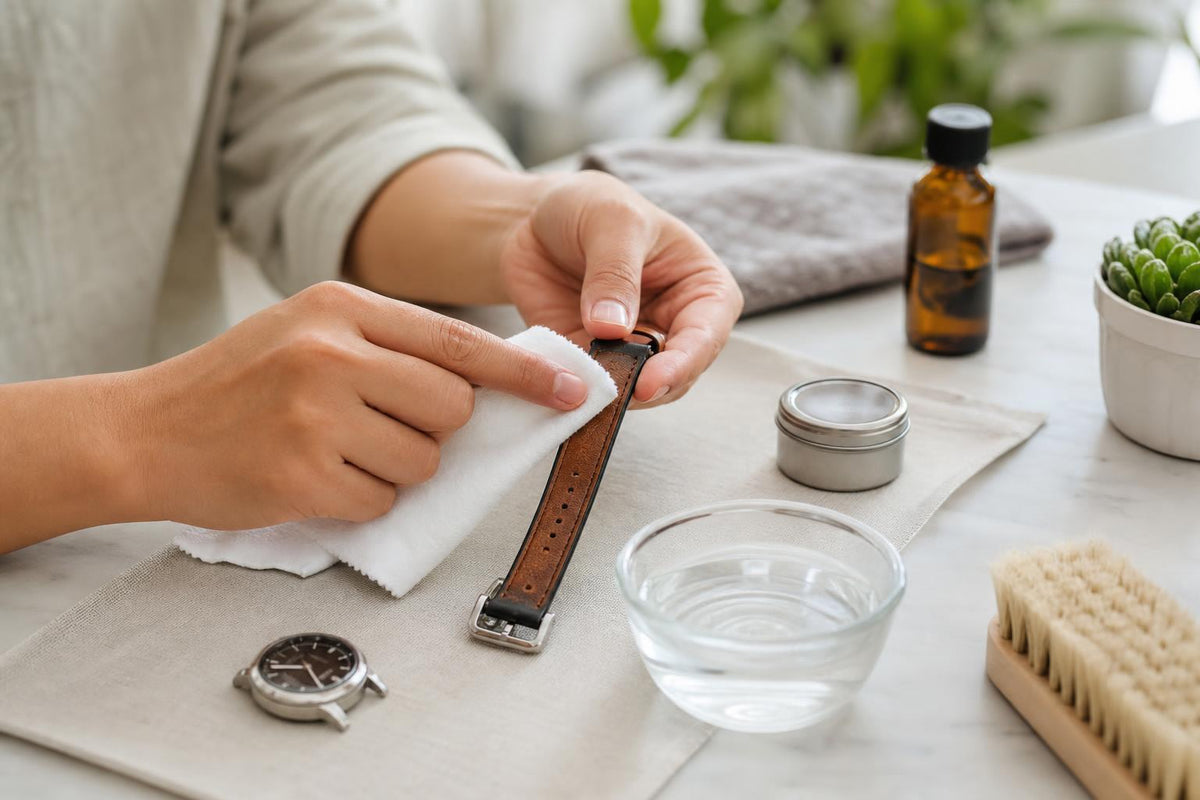
Now for the trade-off, because no material is perfect. Leather requires regular care and conditioning to reach its full lifespan. Neglected leather dries out, cracks, and underperforms regardless of its grade. A few minutes of conditioning every few months is the price of admission. Leather is also not naturally waterproof. It possesses a degree of water resistance (minor splashes won’t damage it), but excessive moisture or submersion will cause problems. For phone cases, this means a leather case handles rain and the occasional splash fine, but it shouldn’t go in the pool with you.
If you want specific guidance, our leather care and conditioning guide walks through exactly what’s needed.
Value Retention
Definition: Leather products hold both functional and resale value significantly longer than synthetic alternatives, resulting in a lower cost per year of ownership.
Most articles about the benefits of leather say it’s “worth the investment” without showing the math. Here it is.
A full-grain leather phone case priced at $50 that lasts 3 years costs roughly $17 per year. A $15 silicone case that needs replacing every 8 months costs about $22 per year. Leather wins on unit economics even before you factor in the superior experience and potential resale value.
The same math applies to wallets and bags. Genuine leather bags are typically more economical than synthetic alternatives that need replacing every one to three years. The higher upfront cost buys you a lower total cost and a better experience throughout.
This is why framing leather as “expensive” misses the point. The cost per year of enjoyment and use is where the real comparison happens, and leather consistently comes out ahead.
Explore full-grain leather wallets and cardholders to see the long-term value up close.
Quick Reference: Leather Grade Comparison
Not all leather delivers the same benefits. The grade matters enormously, and understanding the hierarchy prevents costly mistakes.
| Grade | Durability | Patina Potential | Breathability | Price Range |
|---|---|---|---|---|
| Full-Grain | Highest | Rich, develops over years | Excellent | $$$ |
| Top-Grain | High | Moderate | Good | $$ |
| Genuine/Split | Low to Moderate | Minimal; may crack | Limited | $ |
| Bonded | Low | None; peels | Poor | $ |
| PU/Vegan | Low to Moderate | None; degrades | None | $ to $$ |
Full-grain leather is the outermost layer of the hide with no surface sanding or correction. It’s the strongest, most breathable, and only grade that develops rich patina. Top-grain has been lightly sanded for uniformity, sacrificing some breathability and patina potential but still performing well. Genuine leather (sometimes called bicast) is a misleading term that sounds premium but denotes a lower split of the hide. Bonded leather is essentially leather scraps glued together, and it performs accordingly.
For a thorough breakdown of these differences, our leather grades guide covers each tier in detail.
The FineWoven Lesson: What Happens When You Replace Leather
Apple’s decision to discontinue its leather cases and replace them with FineWoven provided an unintended case study in why leather benefits are hard to replicate. The FineWoven material was widely criticized by users and reviewers alike. Practitioners on forums like Slickdeals called FineWoven “the worst Apple product I’ve used,” reporting permanent staining and visible damage within days of normal use. Apple ultimately discontinued FineWoven as well.
The episode highlighted something important: the benefits of leather aren’t just marketing claims. Durability, patina, grip, and aging gracefully are functional properties rooted in the material’s physical structure. When companies try to replicate these qualities with synthetics, the gap becomes obvious fast.
Frequently Asked Questions
Is leather better than silicone for phone cases?
For most users, yes. Leather offers better long-term durability, develops an attractive patina instead of yellowing, slides cleanly in and out of pockets, and doesn’t trap heat against your phone. Silicone is cheaper upfront but typically needs replacing within a year and catches aggressively on fabric. On a cost-per-year basis, leather is often the more economical choice.
Does leather protect phones from drops?
Leather alone provides moderate protection. When paired with a rigid inner frame (polycarbonate or TPU), leather cases offer strong drop and shock resistance. The leather exterior resists abrasion and tearing while the inner frame absorbs impact energy. Raised edges around the screen and camera protect against flat-surface drops.
How long does a leather phone case last?
A quality full-grain leather phone case lasts approximately 2 to 4 years with regular use and basic care, which exceeds the typical smartphone upgrade cycle of 2 to 3 years. Conditioning the leather occasionally extends its lifespan and appearance.
Is leather sustainable or bad for the environment?
Leather is a byproduct of the meat and dairy industry. Without tanning, over seven million tons of hides would enter landfills annually. Leather biodegrades naturally, unlike PU and PVC synthetics that contribute to microplastic pollution. Tanning does have environmental costs, but responsible sourcing and vegetable tanning methods minimize the impact significantly.
What’s the difference between full-grain and genuine leather?
Full-grain leather uses the complete, uncorrected outer surface of the hide. It’s the strongest grade, develops rich patina, and breathes well. “Genuine leather” is a lower-quality split that has been heavily processed and coated. Despite the reassuring name, genuine leather often cracks, peels, and offers few of the benefits associated with premium leather.
Do leather cases cause phones to overheat?
No. Natural leather is breathable and dissipates heat rather than trapping it. The air pockets within leather’s fiber structure act as a heat barrier that allows warmth to escape, unlike plastic or silicone shells that hold heat against the device. This makes leather a solid choice for users who fast-charge or run demanding apps.
Is leather water resistant?
Leather offers a degree of water resistance but is not waterproof. It handles light rain and minor splashes without issue, but prolonged exposure to moisture or submersion will damage it. Conditioning treatments can improve water resistance. For everyday carry, leather handles normal conditions without problems.
Why is leather more expensive than synthetic cases?
The higher upfront price reflects the material quality, tanning process, and craftsmanship involved. But the real comparison is cost per year. A $50 leather case lasting 3 years costs about $17 per year, while a $15 silicone case replaced every 8 months runs closer to $22 per year. Leather’s premium pays for itself through longevity.
The Bottom Line
The benefits of leather compound over time. It gets more attractive, more comfortable, and more cost-effective the longer you own it. No synthetic material can make that claim. Whether you’re choosing a phone case, a wallet, a watch band, or a bag, leather earns its premium through performance that improves rather than degrades.
Shop Bayelon’s full-grain leather collections to find accessories built to last, backed by a 30-day return policy and 90-day manufacturer’s warranty.


Leave a comment
This site is protected by hCaptcha and the hCaptcha Privacy Policy and Terms of Service apply.